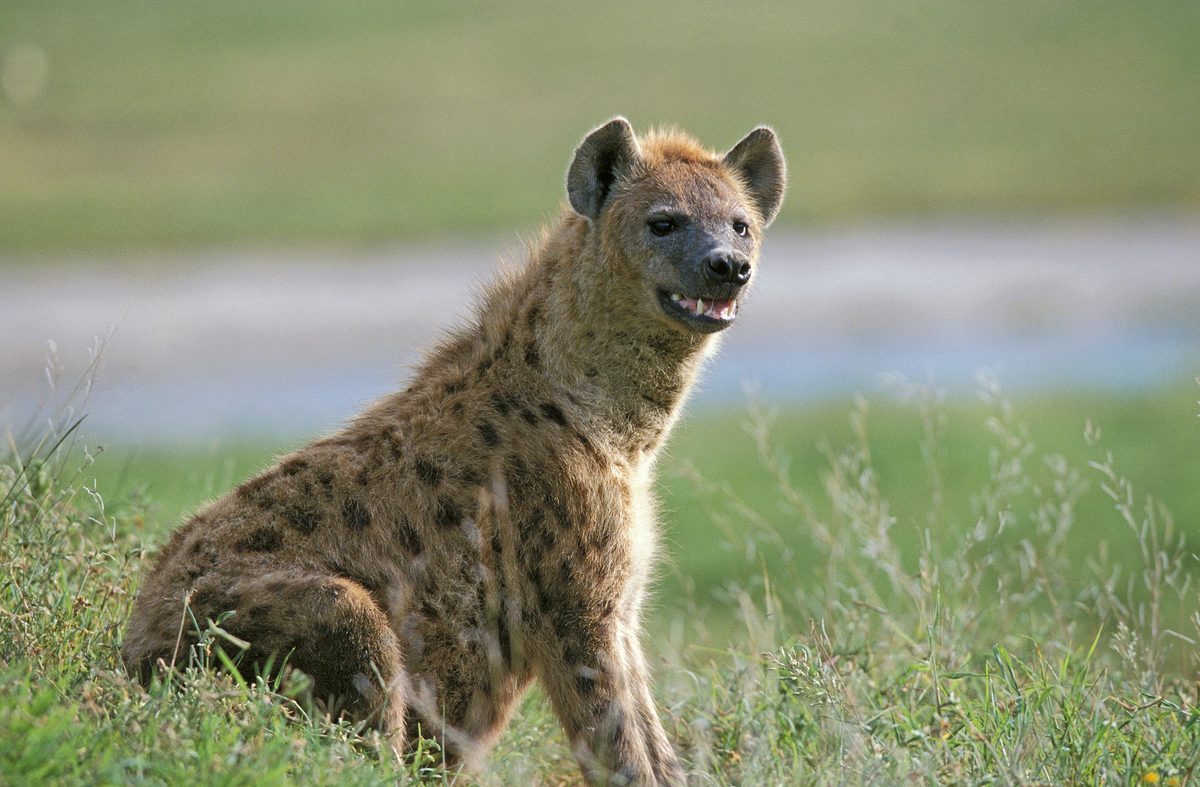
Most mammals follow a familiar pattern: males compete for dominance, and a small number of top-ranking males father a large share of the next generation. In that sense, hyenas stand out as a major exception, because females hold the power rather than males.
Scientists now say they have a clearer explanation for how that unusual system is maintained. According to the report, female hyenas benefit from a form of nepotism, with mothers passing social advantages down to their offspring. That inherited support helps preserve status across generations in a way that is uncommon among mammals.
The key contrast is that this advantage appears to flow through females, not males. While males may still compete, they do not pass on the same kind of social privilege to their young. That difference helps explain why female dominance remains so strong in hyena societies.
The finding offers a new answer to one of the biggest questions in animal behavior: why a mammal would break the usual rule of male-led dominance. In hyenas, family ties on the female side appear to be a major force shaping who holds rank and how that power lasts.