The confrontation between the United States and Iran appears to be shifting from the air to the sea, with the Strait of Hormuz emerging as a central pressure point. Although US Central Command did not announce new attacks for two nights after reporting a 13th straight night of strikes, the broader campaign of coercion did not stop.
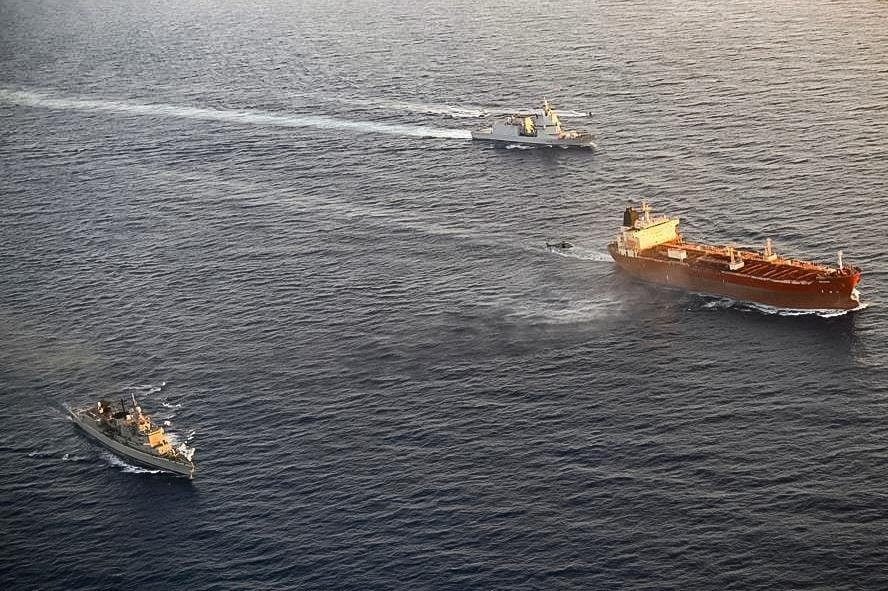
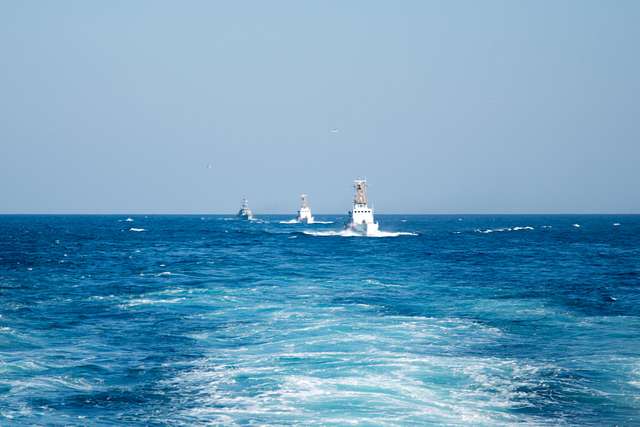
According to the account outlined in the report, American and Iranian forces are now asserting competing maritime rules in one of the world’s most sensitive waterways. That suggests the current phase is not simply a pause in military action, but a move into a different form of escalation focused on control, deterrence and the ability to shape movement at sea.
The Strait of Hormuz is strategically important because it is vital to Iran’s economic and regional functioning, while also carrying wider global significance. Any effort to tighten pressure there could weaken Tehran’s room to operate, yet such a strategy may still leave Washington without clear control over how events develop afterward.
That is the core risk highlighted by the situation: even if direct strikes slow, the maritime contest can still deepen instability. A standoff built around rival enforcement at sea raises the chance of miscalculation and could widen the crisis without producing a predictable political outcome.