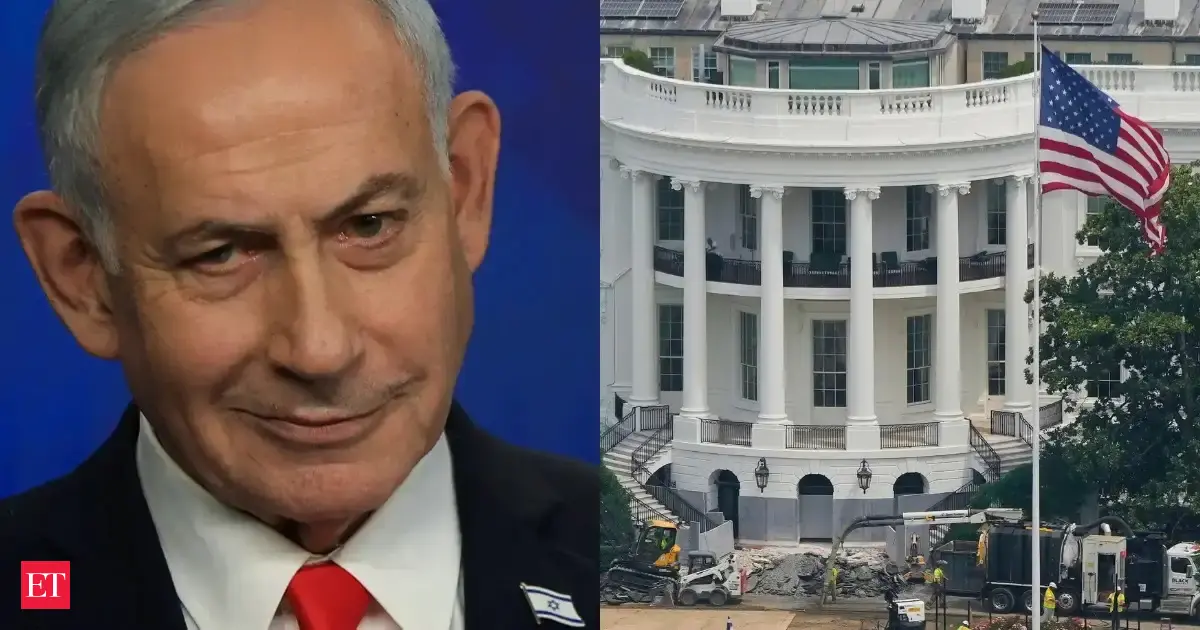
U.S. President Donald Trump and Israeli Prime Minister Benjamin Netanyahu are heading into a closely watched White House meeting as differences over the Iran war come into sharper view. The talks are notable because the two leaders were long seen as politically aligned, but their current priorities appear less synchronized.
At the center of the meeting is Israel’s agenda and how Netanyahu wants to frame the next phase of policy toward Iran. For Washington, the discussion is likely to be shaped not only by support for Israel but also by concerns about how far the conflict could spread and what room remains for diplomacy.
That diplomatic question is especially important because the status of U.S.-Iran peace talks remains unclear. If those contacts are stalled or weakening, the White House meeting could take on added significance as both sides weigh military, political, and regional consequences.
The outcome may not produce an immediate breakthrough, but it should offer a clearer signal about whether Trump and Netanyahu can still present a united front on Iran. It will also show how much daylight now exists between the United States and Israel on one of the region’s most consequential crises.