Iran’s latest moves appear to be centered more directly on Saudi Arabia and on maritime traffic linked to the Red Sea, following a fourth day without reported U.S. strikes on Monday. The shift highlights how regional tensions are not limited to direct confrontation, but also extend to trade routes and energy infrastructure.
A key concern is Saudi Arabia’s effort to reduce reliance on the Strait of Hormuz by sending more oil toward the Red Sea. Any attempt to disrupt that transition would raise the pressure on one of the world’s most important energy exporters while also threatening a shipping corridor that matters far beyond the Gulf.
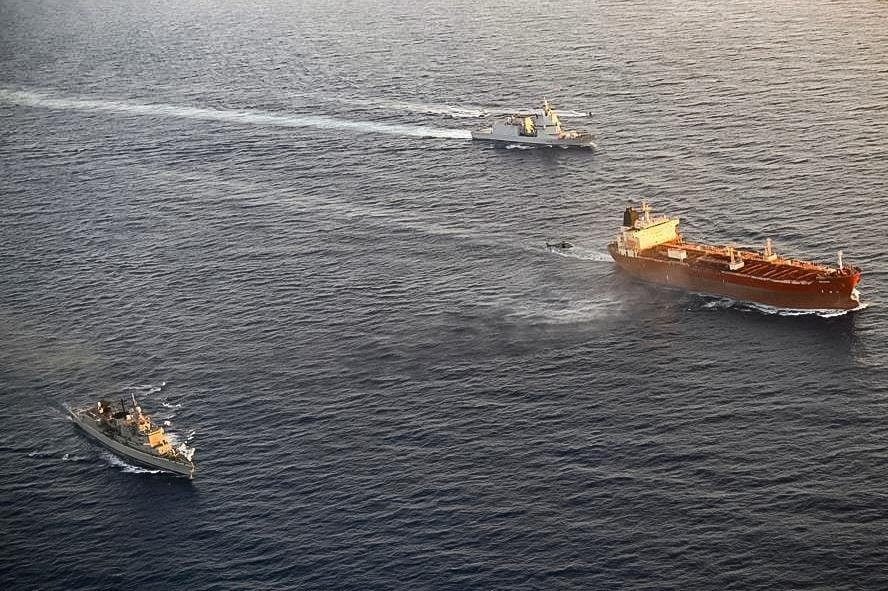
The focus on shipping lanes underscores how strategic waterways remain central to the wider conflict. Even limited disruption around Saudi export routes or Red Sea traffic can add to market uncertainty, increase security risks for commercial vessels and complicate energy planning across the region.
With U.S. attacks paused for several days, the developing pattern suggests Iran may be trying to widen the pressure points in the standoff by targeting routes that connect oil production, maritime trade and regional influence. That makes Saudi infrastructure and Red Sea transit a particularly sensitive front in the broader confrontation.