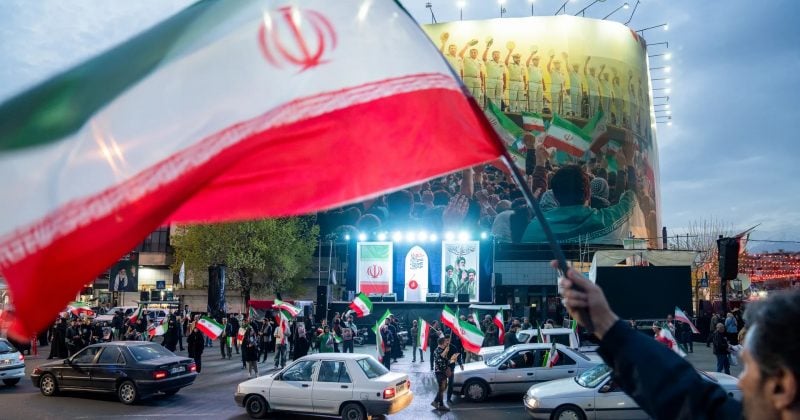
The ceasefire between the United States and Iran has revived hopes that diplomacy could regain momentum after a period of heightened tensions. Early reactions have pointed to a possible opening for renewed talks, with attention focused on whether the pause in hostilities can be turned into a more durable political process.
In Tehran, however, the situation appears more complicated. The latest developments have prompted internal debate over how Iran should respond, highlighting competing views about negotiation, strategy, and the risks of compromise. That domestic discussion could shape how far any diplomatic outreach is allowed to go.
Another obstacle is uncertainty in the markets, which can quickly influence the broader political mood. When investors remain cautious, pressure can build on policymakers and reduce confidence that a ceasefire alone will deliver stability. That uncertainty may weigh on expectations for faster progress.
For now, the US-Iran ceasefire is being seen as a meaningful pause rather than a guaranteed breakthrough. It has created space for diplomacy, but lasting peace will likely depend on whether leaders can manage internal disagreements and translate a temporary halt in conflict into sustained negotiations.