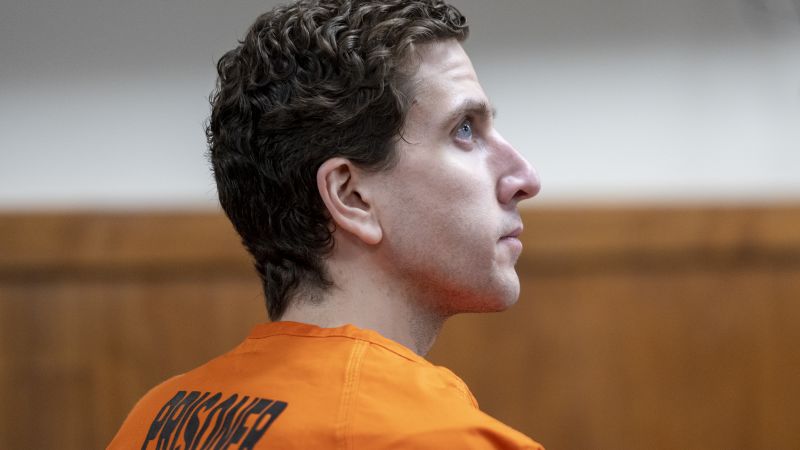
Bryan Kohberger is seeking to get out of a plea deal in the case tied to the killings of four University of Idaho students, reviving questions about how hard it is to undo a guilty plea after it has been entered in court. The latest turn comes more than a year after Kohberger made a direct admission before a judge, a moment that became central to the case.
Legal analysts cited by CNN say requests like this are generally an uphill fight. In many criminal cases, courts place significant weight on what a defendant said during the plea hearing, especially when the judge asked whether the plea was being made because the defendant was guilty. That kind of courtroom record can make later efforts to withdraw the agreement much harder.
Experts also suggest that timing and the reason for the request matter. A defendant usually needs more than a change of heart to persuade a judge to set aside a plea deal. Courts often look for a strong legal basis, such as a serious problem with how the plea was entered or whether it was made knowingly and voluntarily.
Because the article focuses on expert reaction rather than a final ruling, the outcome remains uncertain. But the broad legal view appears consistent: once a defendant has formally accepted a plea deal and admitted guilt in open court, reversing course is typically difficult.