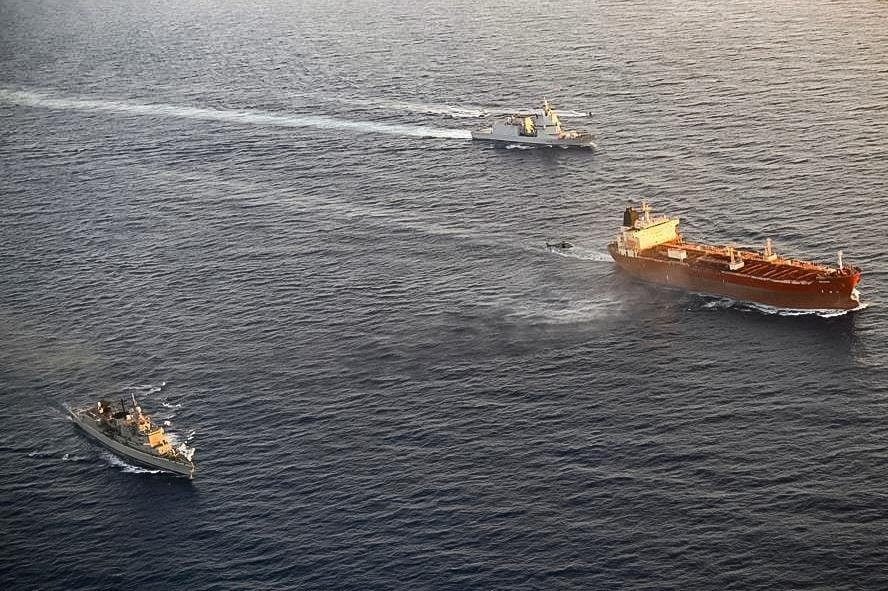
Shipping pressure in the Middle East intensified again as vessel movements through the Strait of Hormuz stayed below the previous week’s level and Houthi attacks in the Red Sea resumed. The combined effect points to renewed strain on two of the region’s most important maritime corridors.
According to the report, traffic in Hormuz remained subdued during the week, suggesting continued caution among shipping operators. The downturn came amid broader regional tensions involving the United States and Iran, adding to concerns about security for commercial vessels moving through Gulf waters.
At the same time, the Houthis reinstated attacks in the Red Sea and announced a maritime blockade targeting Saudi-linked ships and ports. That development creates another obstacle for companies already dealing with rerouting risks, higher security concerns and uncertainty around passage through the area.
Together, the lower Hormuz transit numbers and renewed Red Sea attacks underline how fragile Middle East shipping routes remain. For global trade, the latest disruption highlights the risk that instability in one part of the region can quickly affect multiple sea lanes at once.