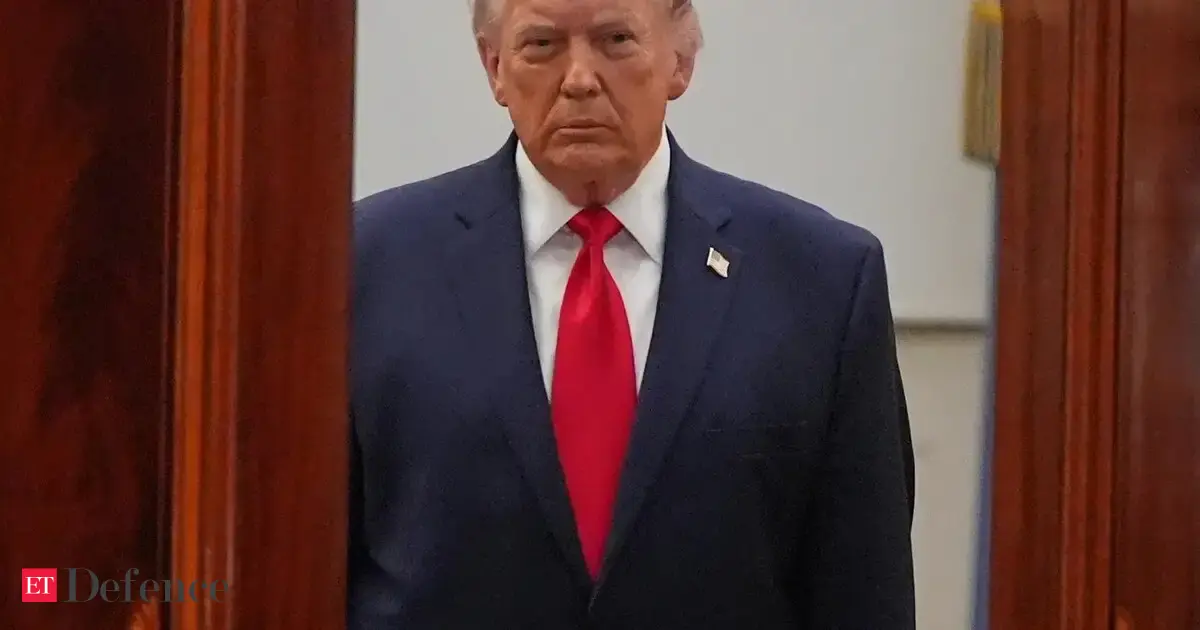
Donald Trump’s Iran strategy has reached what the report describes as a dead end, with repeated threats against Tehran failing to produce a clear breakthrough. The central argument is that the White House is facing a deeper problem than rhetoric or resolve: the United States can no longer assume that pressure alone will force Iran to bend.
According to the piece, this is not simply a diplomatic setback but a sign of wider limits on American power. Trump is portrayed as stuck in a familiar pattern of warning, escalation and frustration, without a path to a decisive outcome. The article suggests that Washington has misread the reasons for its difficulty, treating the problem as one of toughness rather than changing realities on the ground.
A key theme is the technological shift in modern warfare. The report argues that newer and more accessible military tools, including drones, have reduced the old advantages once enjoyed by major powers. In that environment, threats of overwhelming force may be less effective than in earlier conflicts, especially against an adversary that can absorb pressure and still impose costs.
The broader conclusion is that Trump’s Iran approach is running up against structural change, not just resistance from Tehran. If that reading is correct, then the impasse says as much about the changing nature of war and coercion as it does about the current US president’s choices.