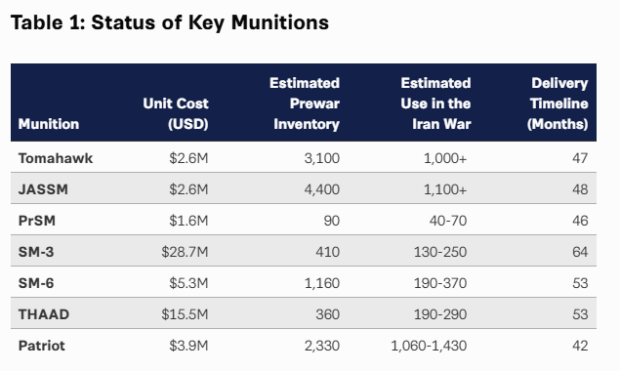
A commentary circulating five months after a U.S.-Israeli strike on Iran argues that America may be nearing a dangerous limit in two critical areas: oil supplies and military munitions. Using the phrase "tank bottom," the piece suggests the country could be approaching the point where remaining reserves look substantial on paper but are much less practical in a prolonged crisis.
The article ties that warning to the opening phase of the attack on Iran. In its description, it says the initial assault was sudden and devastating, with many senior Iranian political and military figures killed in the first minutes. From there, the argument shifts from the immediate military impact to the longer-term burden such a conflict could place on U.S. resources.
Its main concern is that a widening confrontation would pressure both energy availability and weapons inventories at the same time. That combination, the piece argues, could expose weaknesses in American readiness, especially if supply chains are strained or if operations require sustained resupply over months rather than days.
The broader takeaway is that headline reserve numbers may not tell the full story in a major regional war. In this view, the key issue is not only how much oil or how many munitions exist overall, but how much usable capacity remains if the conflict deepens and the United States is forced to support a longer, more demanding campaign.