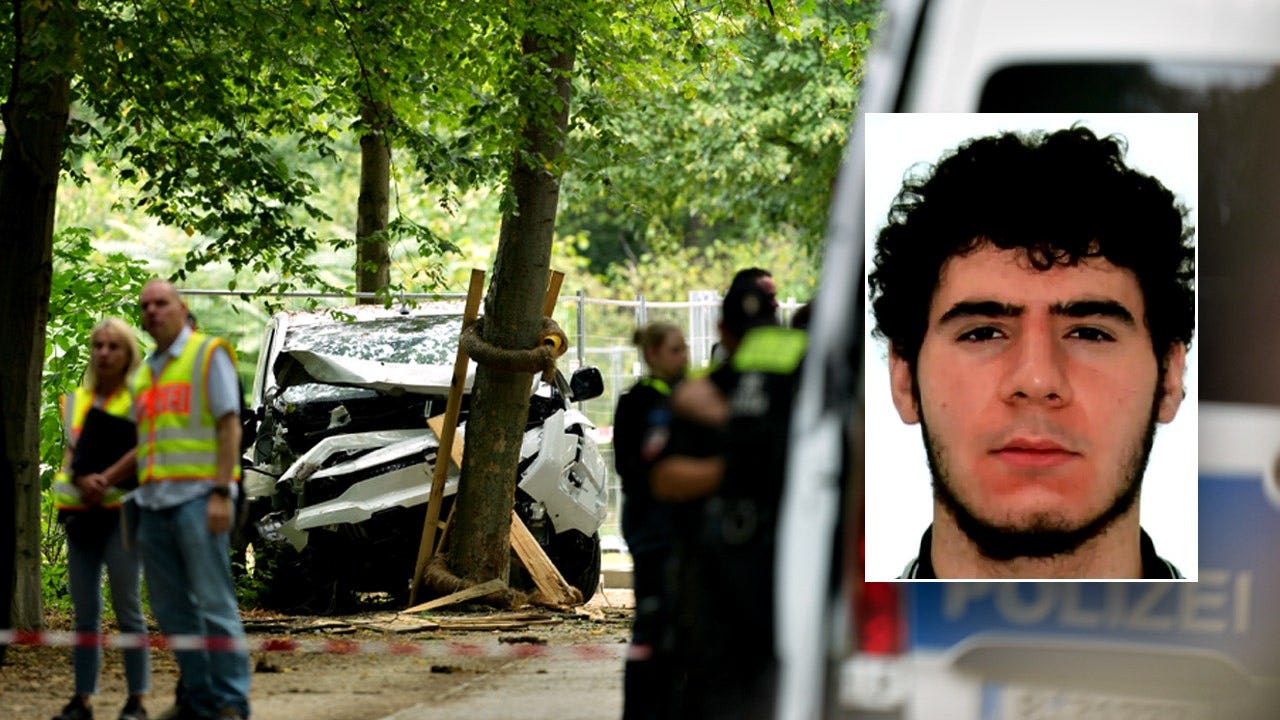
German authorities are facing mounting questions after a violent attack in Berlin near a pride festival, with attention turning to suspect Abdul Ballout and whether warning signs were missed. The central issue is why he was still at liberty despite reported concerns about alleged ISIS sympathies.
The case has prompted fresh scrutiny of how security agencies assess and monitor people seen as potential risks. Officials now appear to be reviewing what information was available before the attack, how it was handled, and whether any gaps in coordination allowed the suspect to remain free.
The incident has also renewed broader debate in Germany about counterterrorism oversight, public safety, and the challenge of acting on extremist indicators before violence occurs. Questions are likely to focus not only on the suspect’s background, but also on the systems meant to identify and respond to possible threats.
As the investigation continues, German officials are under pressure to explain what was known in advance and whether existing procedures were sufficient. The aftermath of the Berlin attack is likely to keep attention on how authorities balance surveillance, intervention, and prevention in cases involving alleged extremist support.