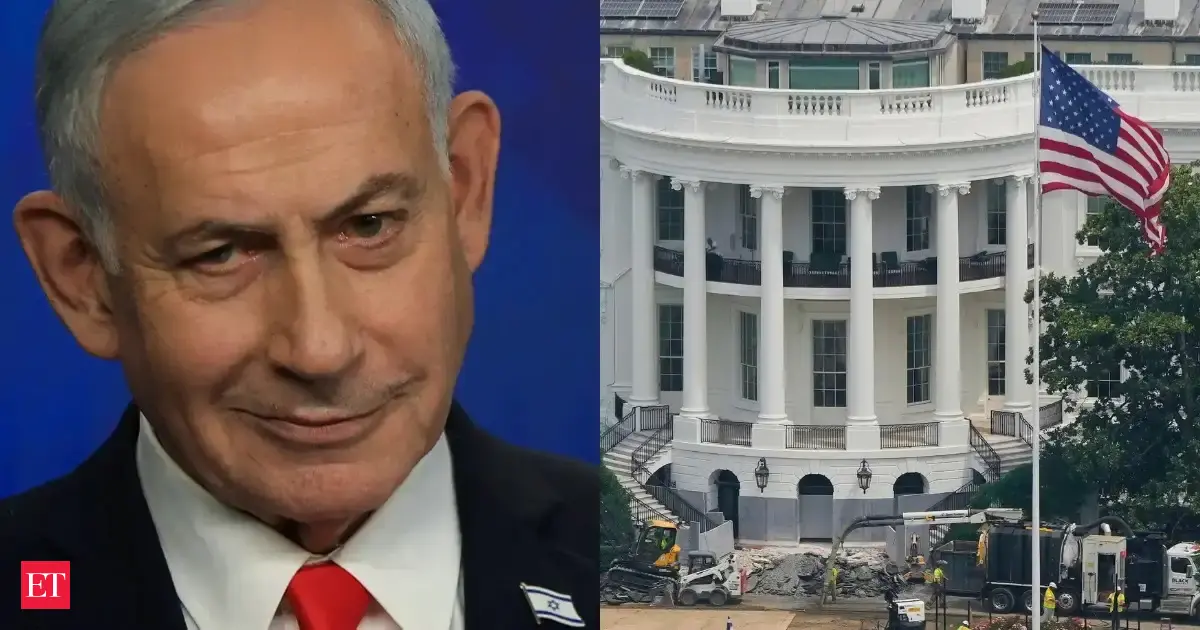
As Israeli Prime Minister Benjamin Netanyahu prepares to meet US President Donald Trump, attention is turning to a broader claim about Israel's Iran policy: that successive Israeli governments have spent decades steering Washington and Tehran away from diplomacy and closer to confrontation. The argument presented is that this approach has not been limited to one leader or one moment, but has been a recurring feature of Israeli strategy.
The timing of the Netanyahu-Trump meeting is especially notable because it comes amid questions over whether there could be any shift toward reducing hostilities between the United States and Iran. Based on the article's framing, there is reason to expect Netanyahu to use the talks to argue against any move that could ease tensions or reopen a diplomatic track.
The central theme is that Israeli policy has repeatedly worked against efforts to improve US-Iran relations. Rather than allowing diplomatic openings to develop, the article suggests, Israeli leaders have viewed sustained pressure and heightened tension as better aligned with their security and regional aims. In that reading, covert strategy and political lobbying have gone hand in hand over roughly five decades.
If that pattern continues, the Netanyahu-Trump meeting could become another important moment in the long-running struggle over how Washington deals with Tehran. The larger issue is not only the personal relationship between the two leaders, but whether any chance of de-escalation can survive amid persistent pressure to keep the US and Iran on a confrontational path.