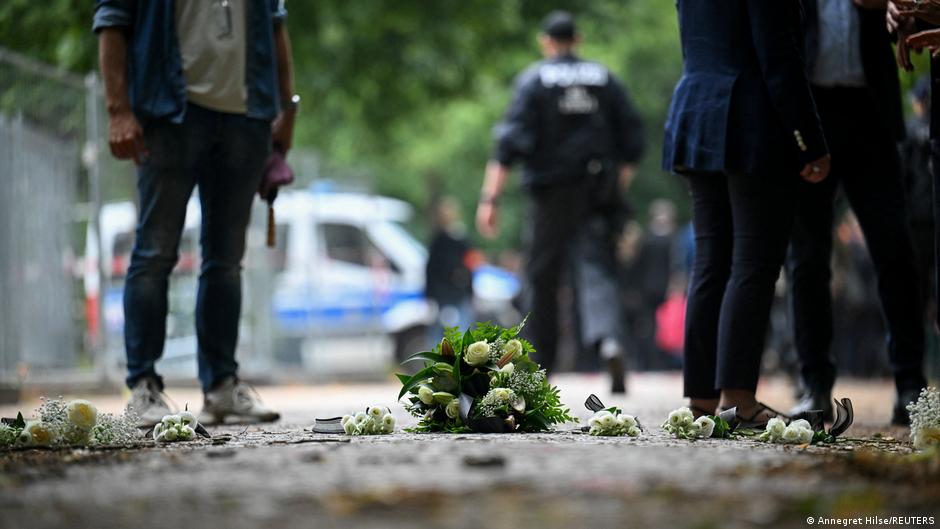
Germany is grappling with the aftermath of the attack on Berlin’s Christopher Street Day parade, one of the country’s biggest Pride events. The incident has left the capital shaken after a day that had drawn hundreds of thousands of people celebrating peacefully and calling for LGBTQ+ rights.
The case has quickly moved beyond the immediate security response and into national politics. Politicians and security specialists are reportedly pressing for consequences after the Berlin Pride attack, with attention turning to how such a major public gathering could be targeted and what changes may now be needed.
The debate is likely to focus on event protection, counterterrorism measures and the safety of LGBTQ+ communities at large public demonstrations. Because the attack struck a highly visible Pride parade, it has also intensified concerns about threats aimed at both open civic events and minority groups.
As Berlin remains in shock, the attack is becoming a wider test for German policymakers. The central questions are how to respond to the Islamist terror attack, how to improve security without undermining public freedoms, and how to reassure people attending future Pride marches and other mass events.