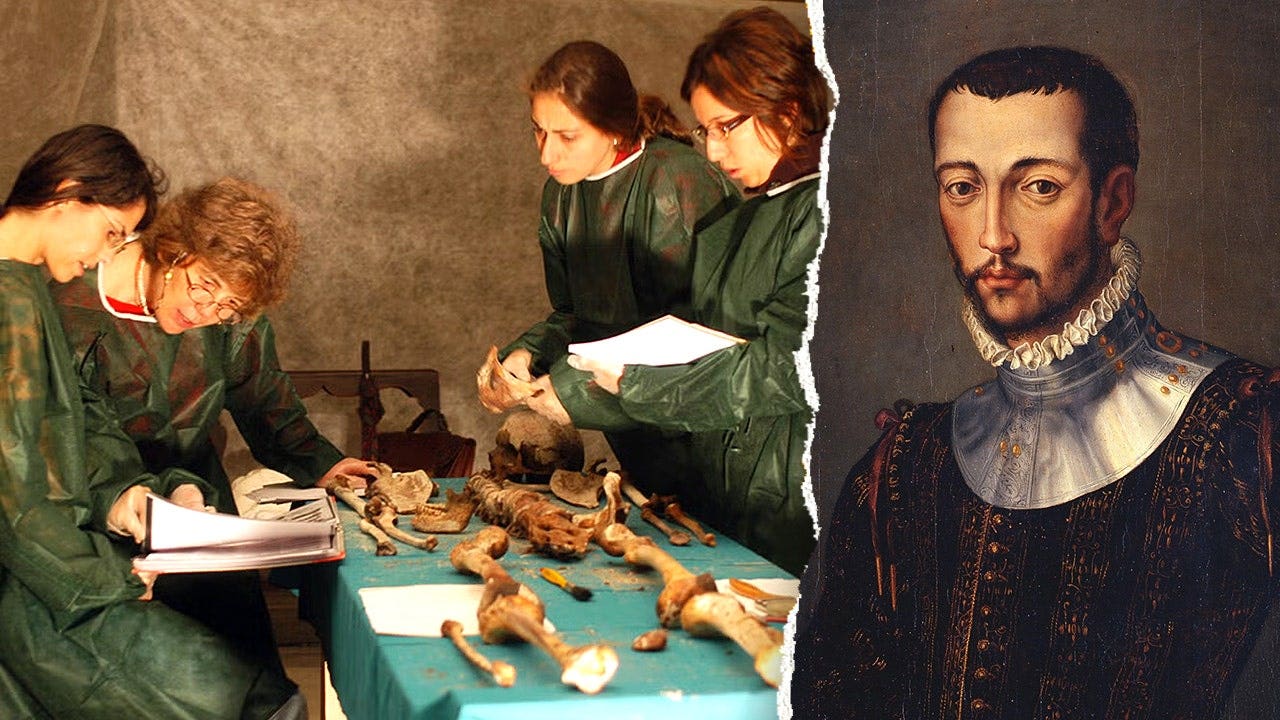
Researchers at Yale University say ancient DNA has helped answer a centuries-old question surrounding the powerful Medici family of Italy. According to a study published in iScience, genetic material recovered from the remains of the Medici brothers points to malaria rather than poisoning, challenging long-running suspicions of murder.
The finding is significant because stories about the death of a Medici family member have circulated for generations, often focusing on the possibility of deliberate poisoning. By analyzing old biological evidence, the research team says it found scientific support for a different explanation: infection from a malaria strain that had not been identified in this context before.
The study highlights how ancient DNA research can reopen historical cases that once depended mostly on rumor, court intrigue and later interpretation. Instead of relying only on written accounts, researchers were able to use modern genetic tools to investigate what may have caused the death centuries ago.
While the work does not erase the political drama that has long surrounded the Medici name, it shifts the discussion toward disease rather than assassination. In that sense, the new evidence offers one of the clearest scientific challenges yet to the theory that poisoning was behind the death.