A new piece of research highlighted by Hackaday looks at a straightforward idea in aging science: human tissue may decline in part because unwanted chemical residue builds up over time. In this case, the focus is on AGEs, compounds linked with age-related wear inside the body.
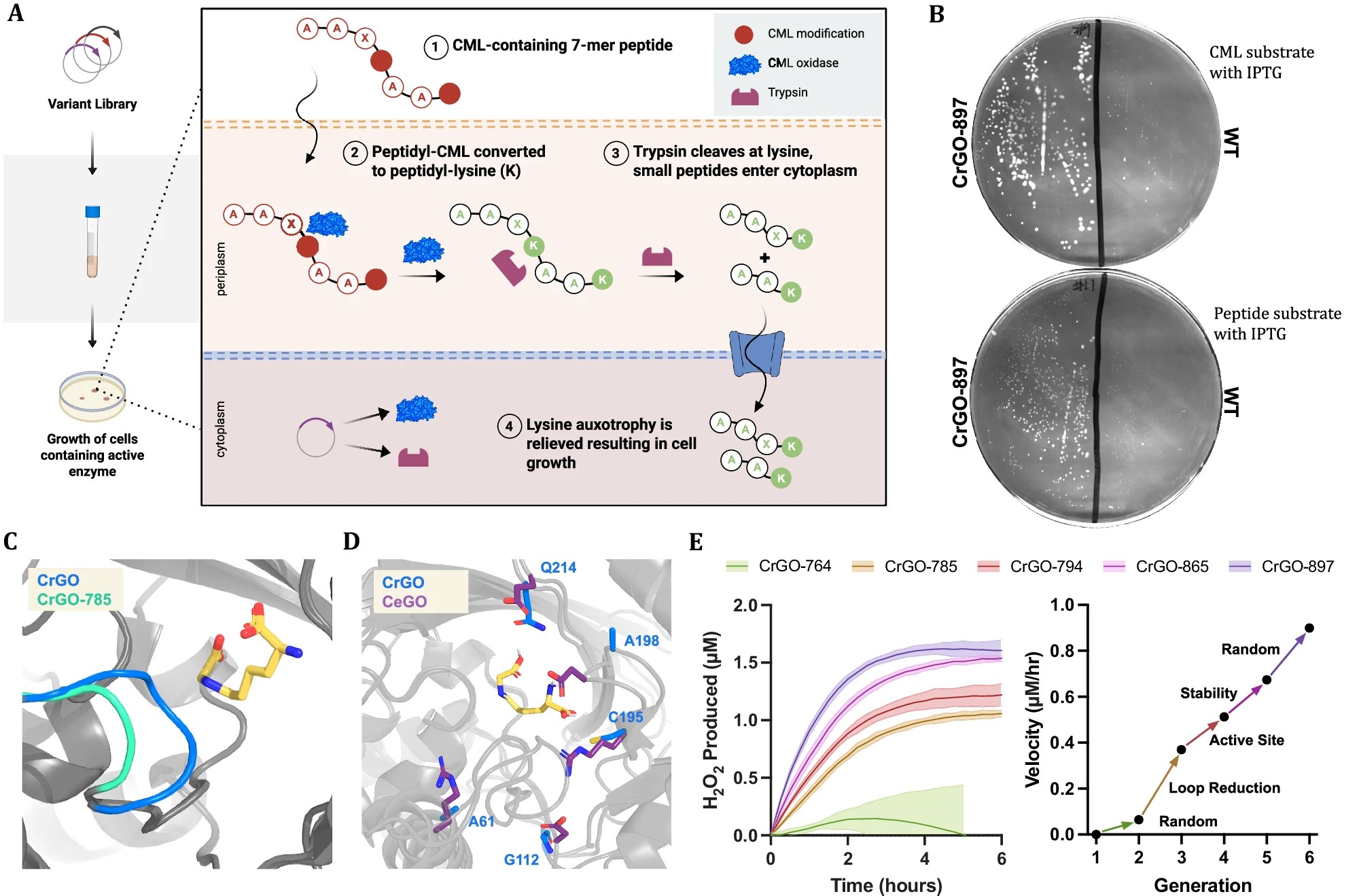
The approach discussed uses a special enzyme meant to break down or remove those AGEs from human tissue. Rather than trying to remake tissue from scratch, the concept is to clean out accumulated material that may interfere with normal structure and function as the years pass.
That makes the work interesting because it treats aging as a maintenance problem as much as a biological one. If age-related buildup can be reduced safely, researchers hope tissue could recover some healthier properties that are lost as these residues collect.
Even so, this appears to be an early-stage scientific direction, not a finished anti-aging treatment. Key questions would include how well the enzyme works in different tissues, how lasting the effect might be, and whether the method can be turned into a practical medical therapy.