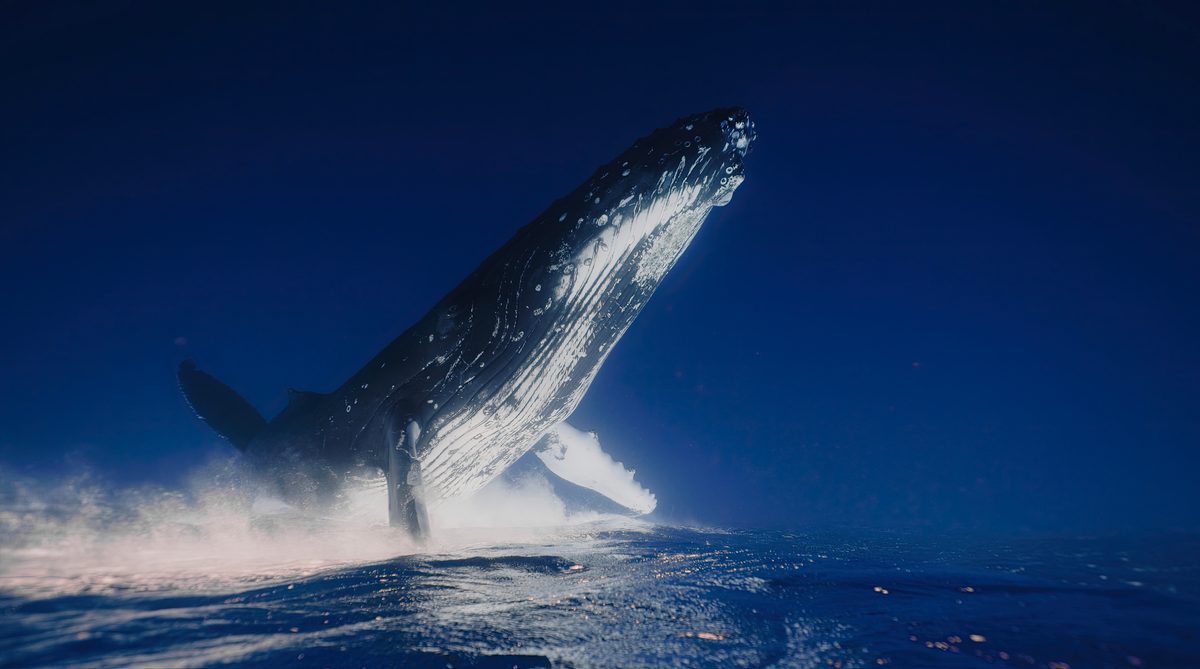
The feature examines the biggest marine animals ever known, spanning both living species and creatures from prehistory. Its central idea is that the ocean has long been the main setting for extreme body size, with water-based habitats repeatedly producing animals far larger than most land life.
One of the clearest examples is the blue whale, used here as a modern benchmark for scale. The comparison to a Boeing 737, along with the note that its tongue can weigh as much as a fully grown elephant, underlines just how extraordinary the largest marine animals are.
The article also places these giants in a much longer timeline, showing that enormous sea animals did not appear only in the present day. Ancient oceans also supported outsized species, suggesting that marine gigantism has deep roots in Earth’s history rather than being a recent exception.
Overall, the summary points to a simple pattern: when it comes to the largest animals ever to live, the sea dominates the record books. From today’s whales to prehistoric ocean giants, marine environments have consistently allowed body sizes that are difficult to match on land.