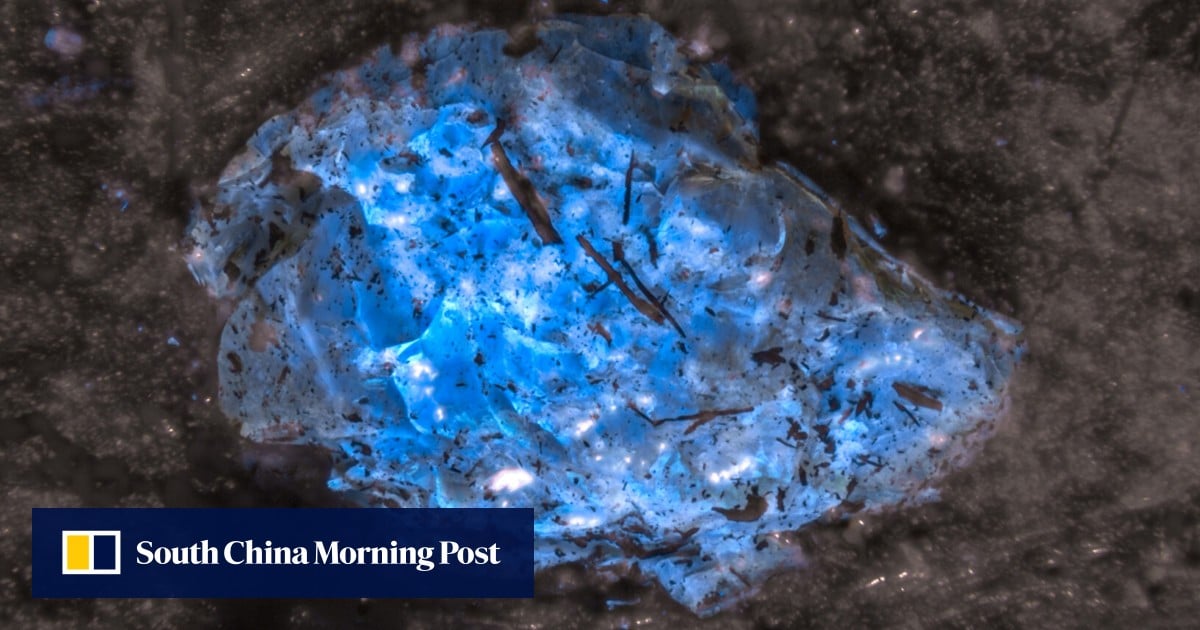
Chinese scientists have identified what researchers say is the world’s oldest verified amber in China’s northwestern Xinjiang region. The material was found in an ancient coal seam and dates to about 385 million years ago, pushing the known history of amber far deeper into the past.
The study suggests that early plants were already producing resin as a protective substance at that time. According to the report, this means plants developed that defense mechanism roughly 65 million years earlier than scientists had previously understood.
Amber is fossilised resin, so discoveries like this are important for tracing how plants adapted to environmental stress and injury in deep time. In this case, the Xinjiang find is notable less for size or appearance than for what it reveals about the origins of resin production in ancient plant life.
The discovery adds a major data point to the timeline of early terrestrial ecosystems and highlights Xinjiang as an important source of evidence about Earth’s distant past. If confirmed by further research, the finding could reshape scientific understanding of when plants first evolved the ability to create protective resin.