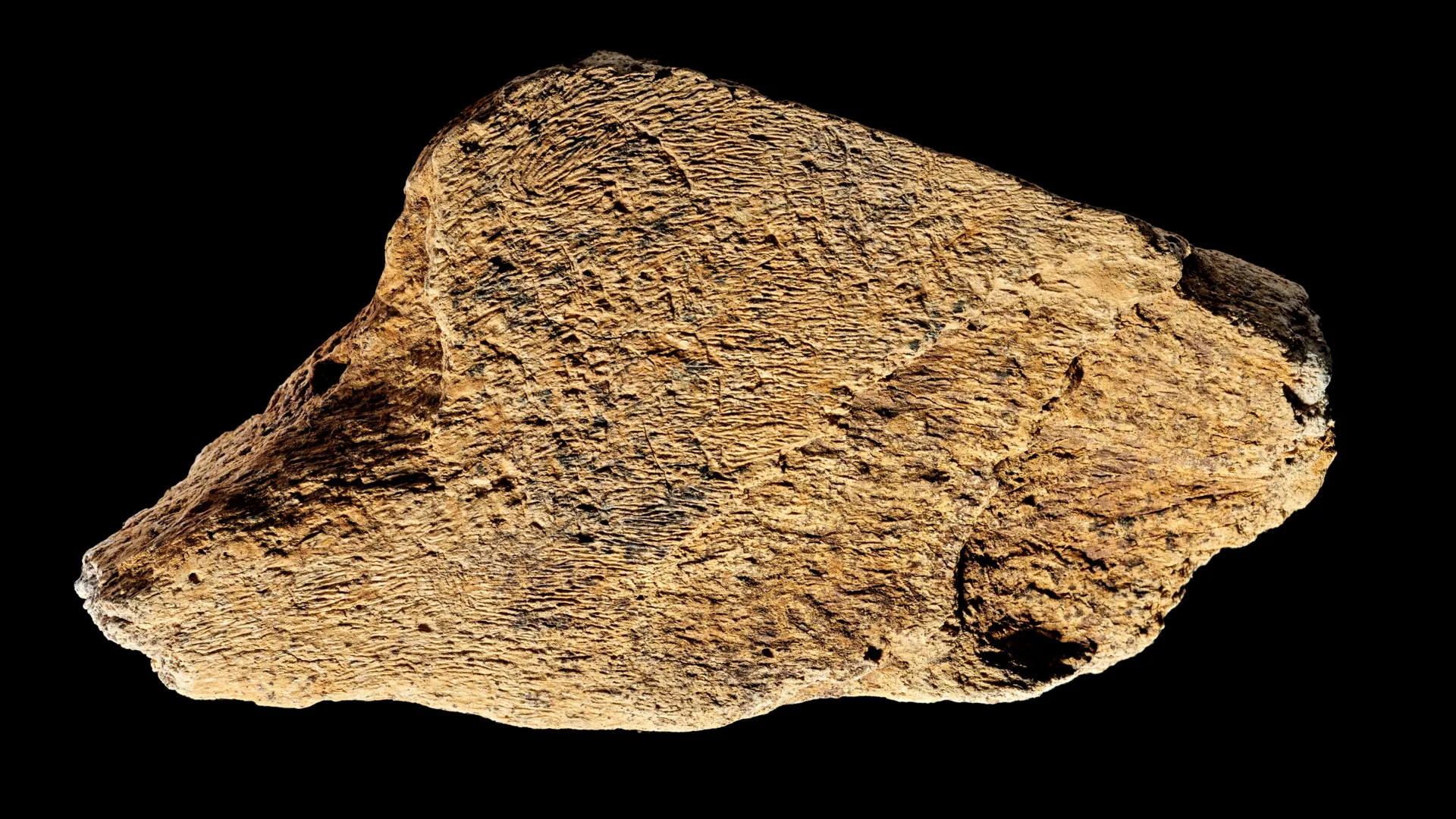
Archaeologists say a hammer made from elephant bone and found in southern England dates to nearly 500,000 years ago, offering new evidence about how early humans made and maintained their tools. The object is being described as the oldest known elephant bone tool, highlighting just how far back this kind of material use may reach.
Researchers believe the bone piece was shaped and used repeatedly as a hammer for working stone tools. That matters because it suggests early toolmakers were not simply picking up whatever was nearby, but selecting, modifying and reusing materials in practical ways.
The find points to a level of skill and adaptability that stands out for such an early period. Turning a large animal bone into a durable implement would have required understanding how different materials behaved and how they could support stone-tool production.
Taken together, the discovery adds to the picture of ancient humans in Britain as capable and inventive craftspeople. Rather than relying only on stone, they appear to have broadened their toolkit with bone as well, showing a more flexible and advanced approach to making useful objects than many people might expect for that time.