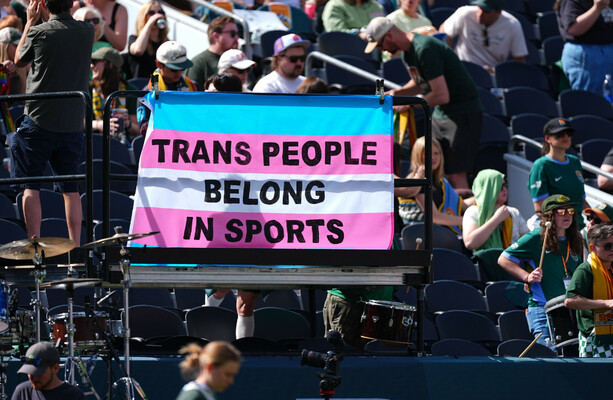
Kelly Earley argues that the wider backlash against transgender participation in sport has now reached the Irish dancing world, turning a niche competitive space into part of a much larger cultural debate. The piece presents this as another example of how a very small minority can become the focus of intense public scrutiny.
According to the article, the concern is not simply about rules or eligibility. Earley frames it as a moral panic, with transgender people receiving disproportionate attention despite making up a small share of the population. In that reading, the reaction says as much about politics and social anxiety as it does about competition.
A central point is that many of the arguments now used against trans inclusion in sport sound familiar from earlier eras. Earley links today’s claims about fairness and participation to older efforts to exclude women from athletic competition, suggesting that the language of protection and preserving sport has a long history.
By placing Irish dancing within that pattern, the article suggests the current dispute is part of a recurring struggle over who gets to belong in competitive spaces. The focus is less on any single event than on the broader way transgender participation in sport is being debated, contested and politicized.