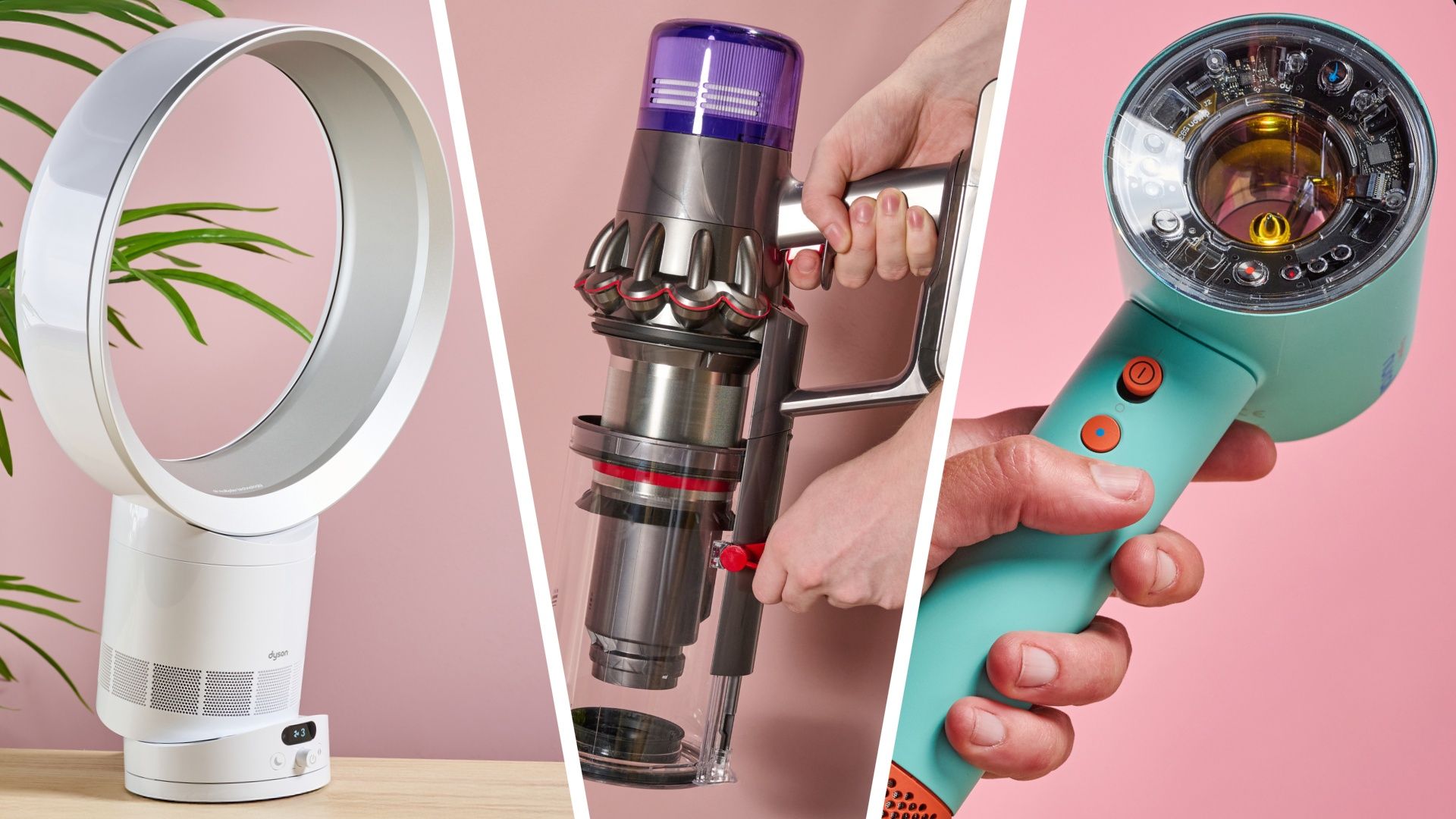
Dyson’s products have long stood apart from rival gadgets, and Chief Engineer Jake Dyson says that is a direct result of how the company designs them. In discussing the brand’s approach, he points to a philosophy where engineering decisions shape the final appearance, instead of designers forcing products into familiar or conventional forms.
That helps explain why a Dyson vacuum, hair dryer, fan, hand dryer or air purifier often looks unlike anything else in its category. Rather than aiming for instant visual familiarity, the company appears willing to let airflow, motors, internal layouts and performance needs determine the exterior. The result is a product line that can seem radical at first glance but is intended to make its function more visible.
The conversation also highlights why Dyson does not feel locked into recognizable design templates. According to this view, the company is less interested in preserving a house style for its own sake than in solving technical problems in a way that can be seen in the finished product. That makes each category a fresh engineering challenge, whether the goal is cleaning floors, drying hair or moving and filtering air.
Seen together, Jake Dyson’s comments frame Dyson’s design language as an expression of function rather than decoration. The brand’s unusual shapes are not presented as difference for difference’s sake, but as the outward sign of how each machine works. That helps explain why Dyson products continue to look distinctive across so many parts of the home and workplace.