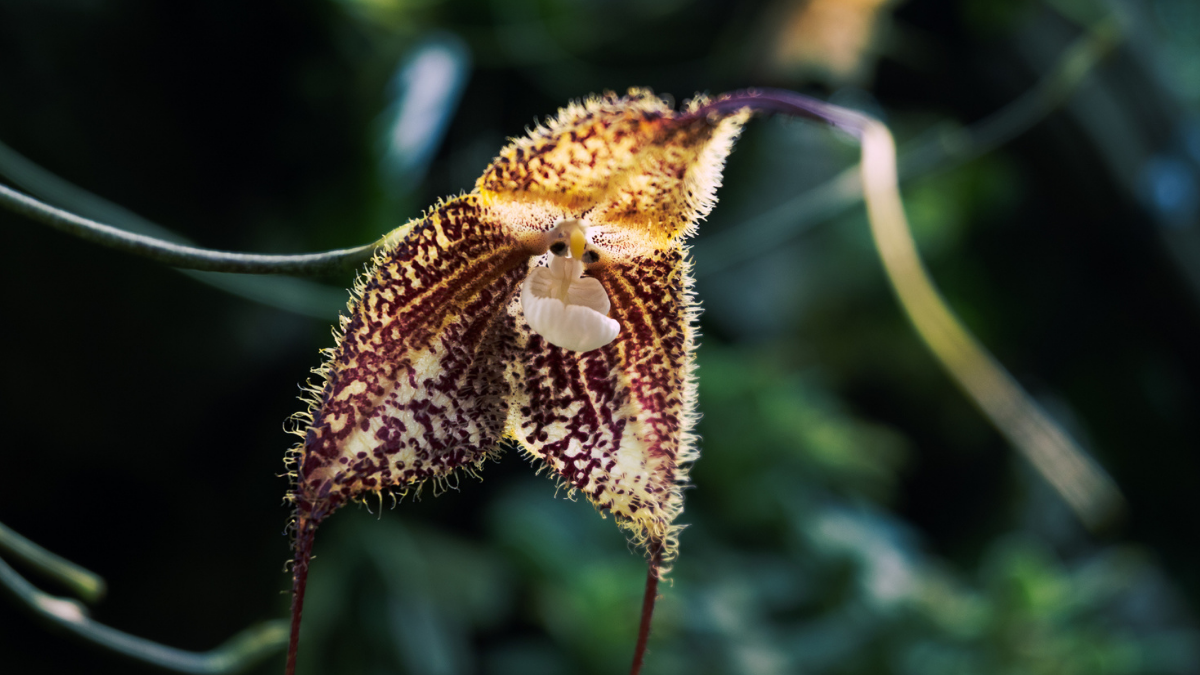
A striking group of flowers known as the Dracula orchid is drawing intense attention from wildlife traders in the misty cloud forests of the Andes. Unlike more familiar wildlife trade targets such as mammals or reptiles, this case centers on a plant genus whose unusual look appears to make it especially desirable.
The report highlights how demand for these orchids continues despite the fragile environment where they grow. Andes cloud forests are known for their specialized habitats, and plants adapted to those conditions can be vulnerable when collectors repeatedly target them.
The Dracula orchid has become a symbol of a lesser-discussed side of wildlife trafficking: the trade in rare and visually distinctive plants. Even when the subject is not an animal, persistent collection pressure can still threaten wild populations and add stress to ecosystems that are already delicate.
By focusing on this unusual orchid genus, the story points to a broader conservation issue in the Andes. Wildlife trade does not only affect charismatic animals; it can also place rare plants at risk when demand outpaces the ability of wild habitats to recover.





