Russian Foreign Minister Sergey Lavrov said the continuing crisis around the Strait of Hormuz is making the North-South international transport corridor more important. His remarks point to growing attention on alternative transport links as uncertainty around a major maritime passage continues.
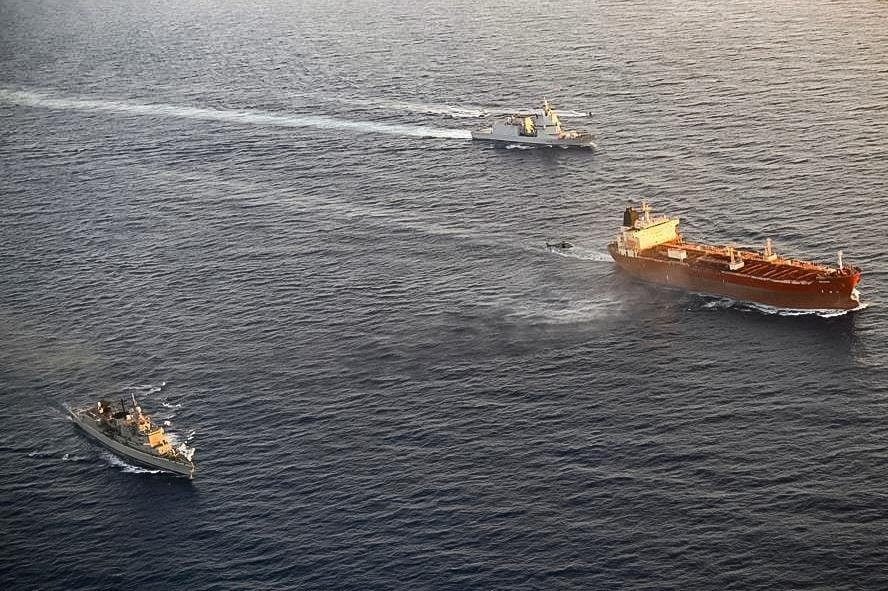
The Strait of Hormuz remains one of the world's most closely watched shipping chokepoints, so any extended period of tension can raise concerns about trade flows and transport reliability. In that context, Lavrov presented the North-South corridor as a route gaining strategic weight while the situation remains unsettled.
His comments reflect a broader focus on transport resilience when key sea lanes face prolonged pressure. As the Hormuz crisis drags on, interest in routes that can help reduce dependence on vulnerable transit points is likely to stay high.
The statement also highlights how geopolitical tensions can quickly reshape infrastructure and logistics priorities. For now, the longer the uncertainty around Hormuz lasts, the more attention the North-South corridor is expected to receive in regional and international transport discussions.