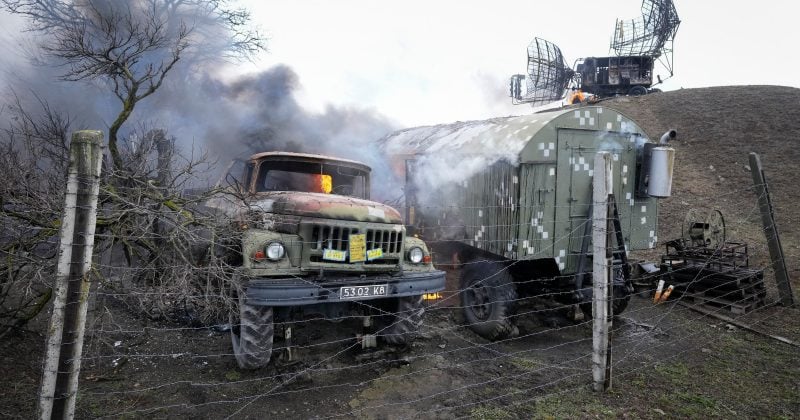
New satellite images and vessel-tracking data are being used to frame the Arctic as a new front in global rivalry, with Russia appearing to hold the stronger position. As sea ice retreats and the Far North becomes easier to access, control over routes, infrastructure and regional presence is taking on greater strategic importance.
The central argument is that the United States has Arctic ambitions, but is falling behind in practical terms. Based on the limited details available, the gap is most visible when comparing what can be seen from above and on shipping maps, which point to a more active and established Russian footprint.
The report also links Washington’s Arctic thinking to Greenland, suggesting US interest in the region could extend far beyond diplomacy. Even so, the available description emphasizes that Russia is the clearest beneficiary of the changing conditions in the Arctic, especially as melting ice reshapes trade and military calculations.
Taken together, the imagery and tracking data described in the piece present the Arctic not as a distant frontier, but as an active geopolitical contest. In that contest, Russia is portrayed as the country currently best positioned to capitalize on the rapidly changing Far North.