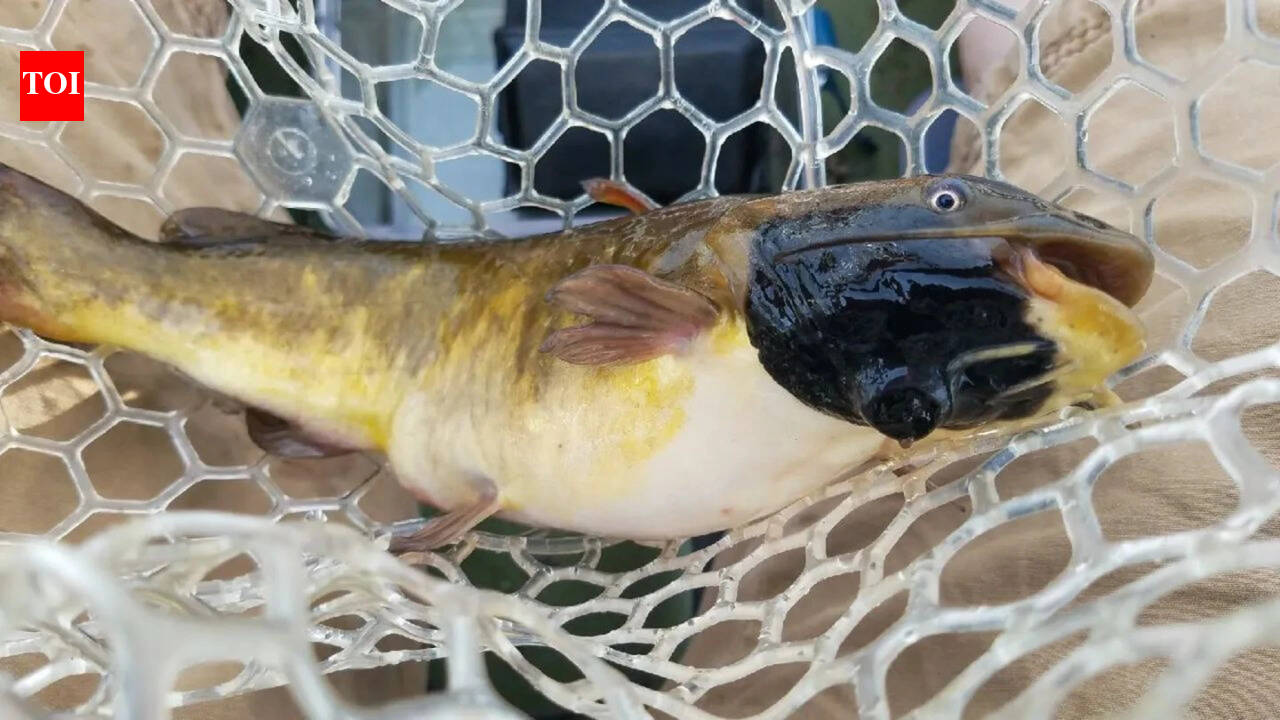
Anglers in a Vermont lake had been noticing catfish with unusual black skin patches, raising concerns about what was causing the visible changes. Scientists have now identified the condition behind those reports, turning a local observation into a notable wildlife health finding.
Based on the report, the discovery involves a naturally occurring cancer in catfish. That makes the case especially important because cancers that can move between individual animals are considered extremely rare in nature.
Until now, the best-known examples of such transmissible cancers have been found in Tasmanian devils, dogs and some shellfish. The catfish finding therefore stands out as a significant addition to that short list and could broaden scientific understanding of how these diseases appear and persist in animal populations.
The development also highlights the value of reports from anglers and other observers who first noticed the black patches in the lake. What began as an unusual pattern on fish skin has now become a scientific discovery with implications for fish disease research and the study of rare contagious cancers in wildlife.