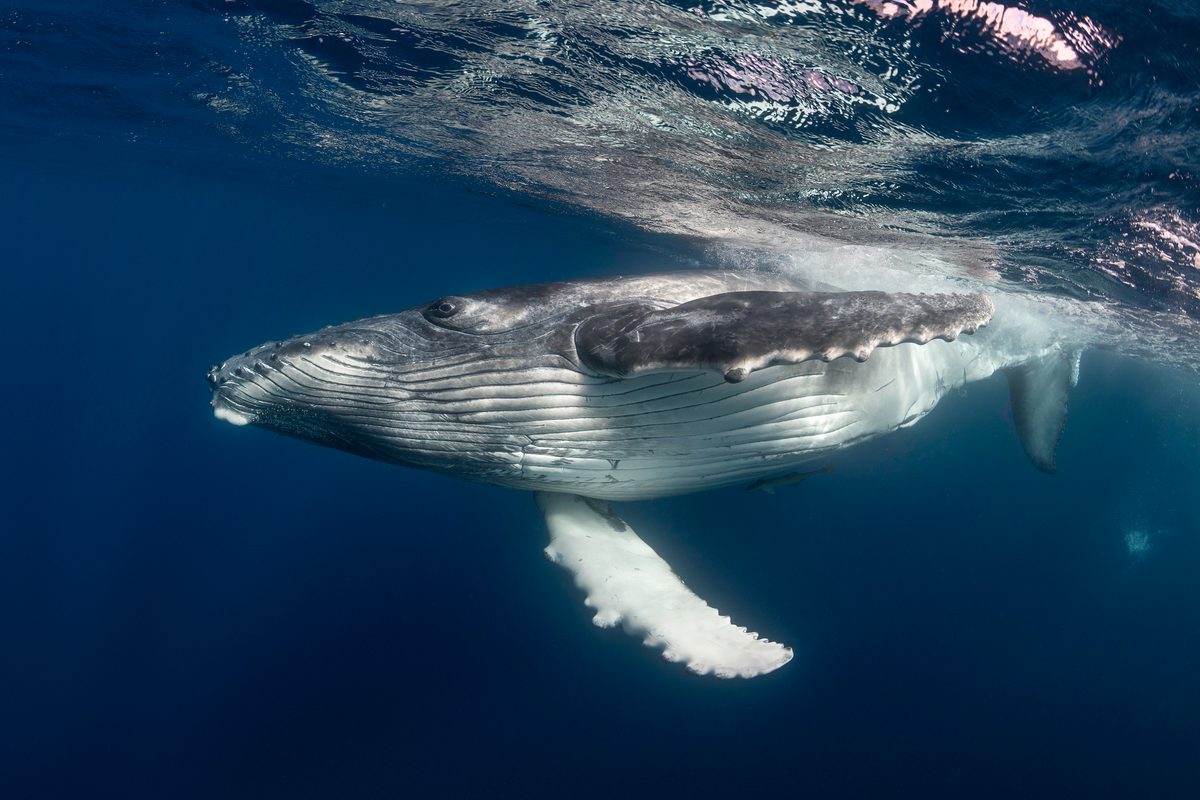
The longest living animals on Earth can outlast even the oldest humans by a remarkable margin. As a point of comparison, the oldest recorded human, Jeanne Calment, lived to 122 years and 164 days. That is extraordinary for people, but some animals — especially those living in the ocean — can survive for far longer.
A key theme in this roundup is that many of the longest-lived species are marine animals that inhabit deep, cold waters. According to the description, these environments may help extend lifespan by slowing metabolism and reducing exposure to disease. In simple terms, animals that grow slowly and live in stable conditions may age at a very different pace from land-dwelling species.
The headline also points to one especially striking example: a species that does not reach sexual maturity until around 150 years old and may remain pregnant for as long as 18 years. That kind of life history suggests an animal adapted to an extremely slow biological timetable, where growth, reproduction and aging all happen over unusually long periods.
Overall, the list highlights how longevity in the animal kingdom is often tied to the ocean, particularly the deep sea. Rather than fast growth and short lifespans, these species appear to follow the opposite strategy — slow development, low-energy living and survival measured not in decades, but in centuries.





