Scientists have directly witnessed the birth of new ocean floor for the first time, offering a rare look at one of the planet’s most important geological processes. The observation helps explain how Earth continuously creates oceanic crust beneath the sea.
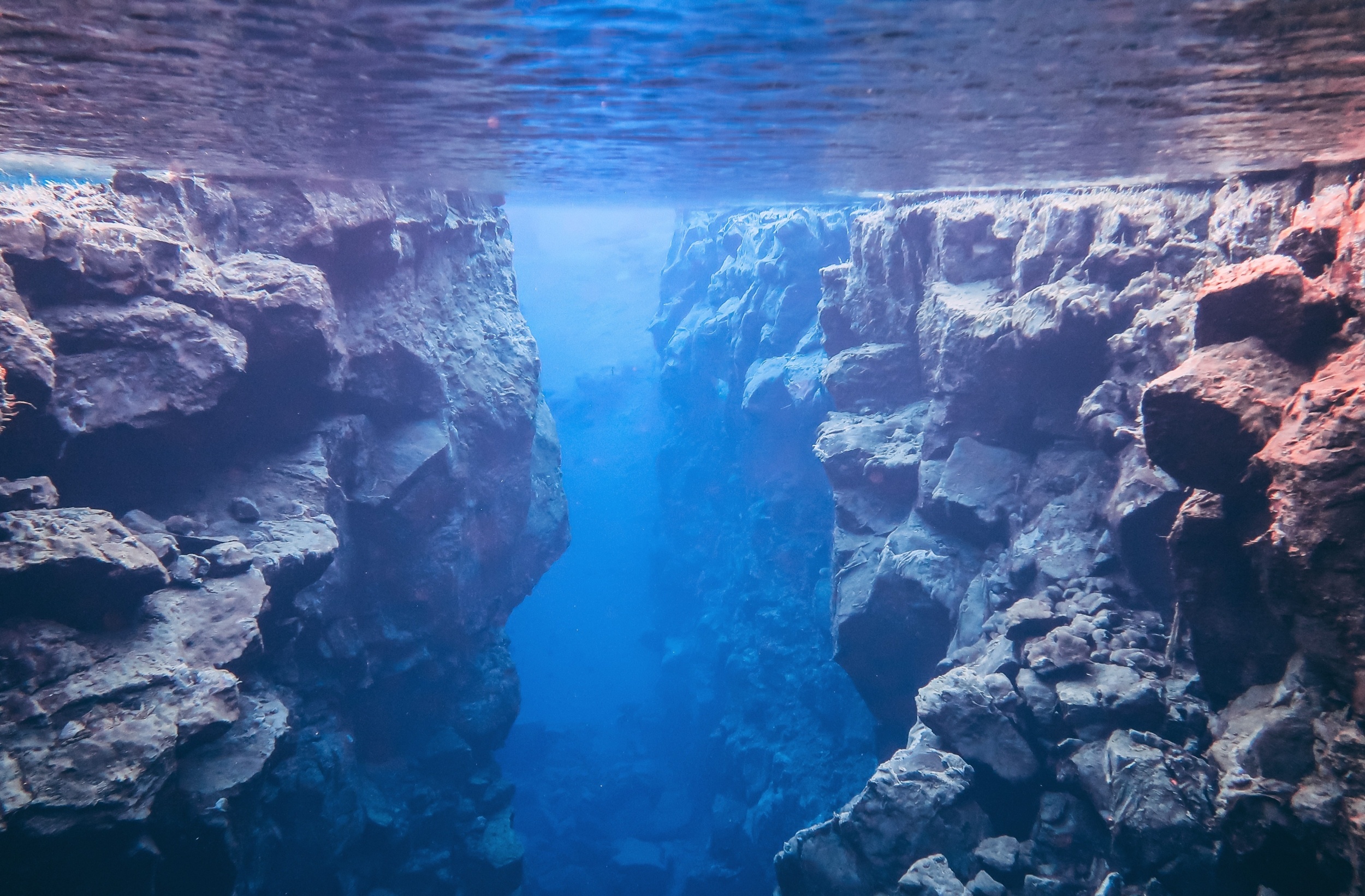
Most of the planet’s surface is covered by oceanic crust, and it forms in a consistent way along mid-ocean ridges. In these underwater mountain chains, tectonic plates slowly move apart. As the gap opens, magma rises from below and begins to fill the space.
That molten material cools and hardens, becoming fresh seafloor. While scientists have long understood this process in theory, directly seeing new ocean floor form gives researchers a clearer picture of how crust is created in real time. It connects textbook plate tectonics with direct evidence from the deep ocean.
The finding adds to our understanding of how Earth’s surface is constantly renewed. By capturing this moment of seafloor creation, scientists can better study the forces that shape the ocean basins and drive the movement of the planet’s crust.