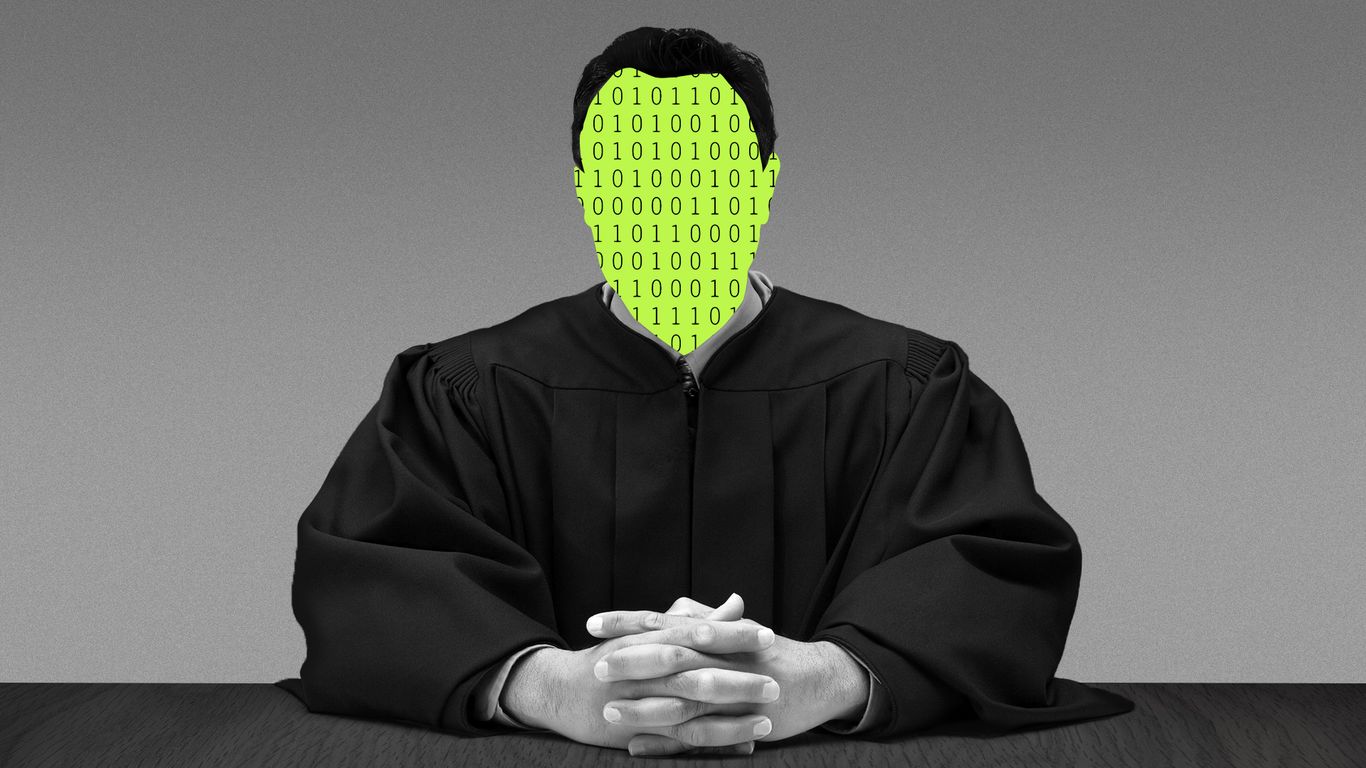
Judges and lawyers are facing a difficult balancing act as artificial intelligence moves deeper into the legal system. Courts are increasingly acting as a firewall against improper AI use, while many within the judiciary are also exploring how the technology could improve day-to-day work.
The debate reflects two realities at once. On one hand, legal experts say AI has the potential to become a major value-adding tool for the federal judiciary by helping expand capacity and streamline tasks. On the other, judges must guard against mistakes, unreliable outputs and other problems that can arise when AI is used carelessly in legal settings.
That tension is forcing the bench and the bar to think carefully about where AI fits in courtrooms and case preparation. The issue is not simply whether the technology should be allowed, but how it can be used responsibly without undermining trust, accuracy or professional standards.
As AI tools become more common, courts appear to be moving toward a middle path: allowing room for experimentation while insisting on human oversight. The result is a legal system that is trying to benefit from AI’s efficiency gains even as it works to contain the risks.