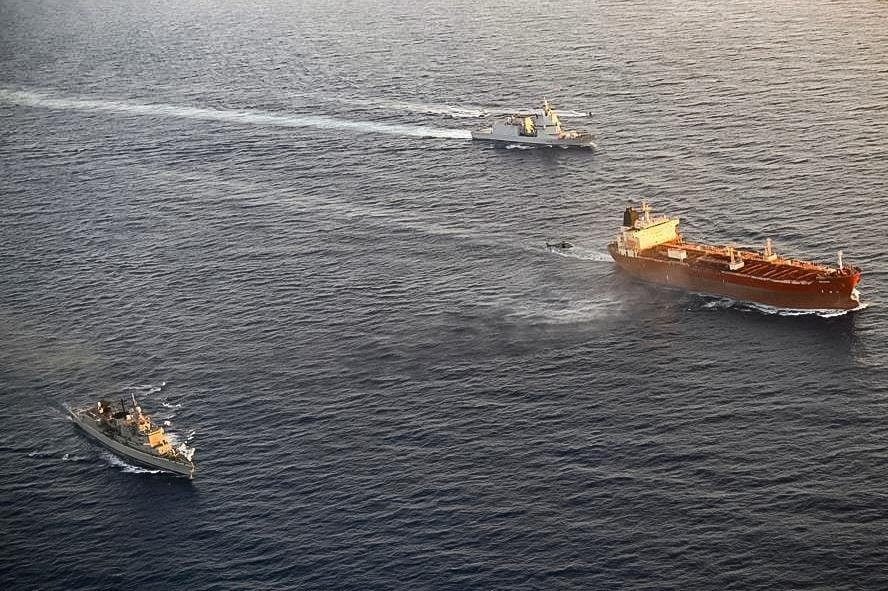
Oman is backing a reported plan for the Strait of Hormuz that would allow Iran to receive voluntary fees from ships traveling through the narrow passage. The proposal puts fresh attention on one of the world's most sensitive maritime routes, a key corridor for oil shipments and wider global trade.
The idea, as described, would involve optional payments rather than mandatory tolls. That makes the proposal notable for shipping companies, insurers and governments that closely watch any change tied to movement through the strait.
The reported framework takes inspiration from Southeast Asia, where Indonesia, Malaysia and Singapore have managed the Strait of Malacca. By pointing to that model, the Hormuz proposal appears to draw on an existing regional approach to overseeing a major shipping lane without presenting it simply as a new charge on passing vessels.
Because the Strait of Hormuz is a critical oil chokepoint, even a voluntary fee system could carry economic and political significance. Any move involving Iran's role in collecting transit-related payments is likely to be monitored closely by energy markets and the international shipping industry.