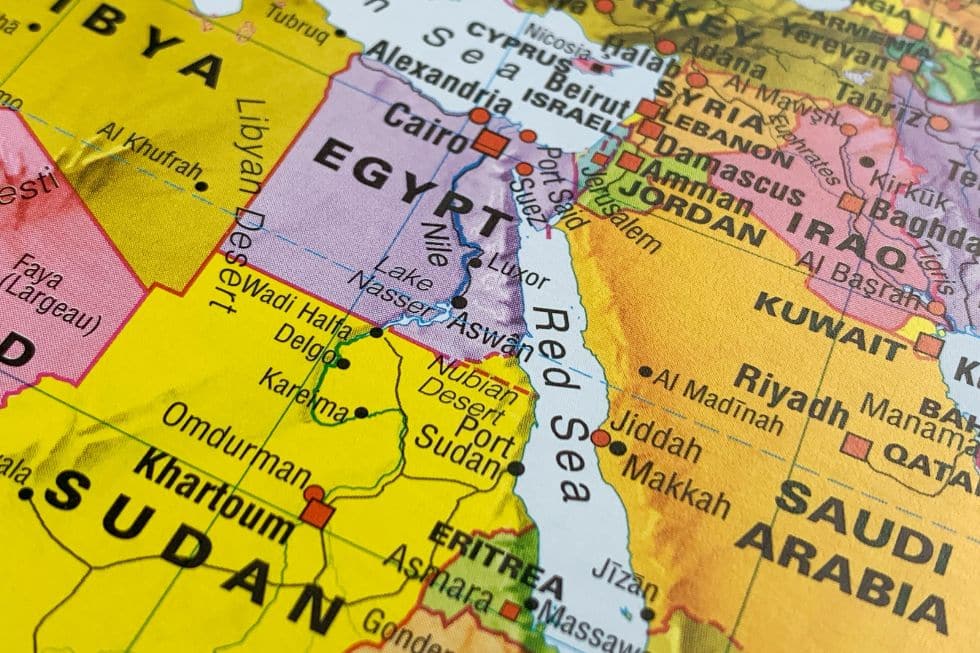
Sudan’s shadow war is increasingly being shaped not only by fighting on the ground, but also by a difficult and fragmented diplomatic track. The latest sign came last month, when Egypt’s foreign minister, Badr Abdelatty, hosted talks with counterparts from Saudi Arabia and Turkey, along with Mosaad Boulos, in a meeting that outwardly resembled standard multilateral crisis diplomacy.
That gathering underscored a central problem around the Sudan conflict: many influential players are involved, but aligning them behind a clear and effective approach is far harder than simply bringing them into the same room. Regional diplomacy can create the appearance of momentum, yet the underlying political divisions and competing priorities make it difficult to translate consultations into a durable path forward.
The phrase “shadow war” points to this wider reality. Sudan’s crisis is not only an internal power struggle; it has also become a contest shaped by outside interests, regional calculations and overlapping diplomatic channels. When several governments try to influence events at once, coordination becomes a challenge, and peace efforts can lose focus.
As a result, the diplomatic problem is not a lack of meetings, but the absence of a unified framework strong enough to move beyond symbolism. The Cairo consultations highlighted how seriously neighboring and regional states view Sudan’s turmoil, while also revealing how hard it remains to build a coherent diplomatic strategy around a conflict that has drawn in so many actors.