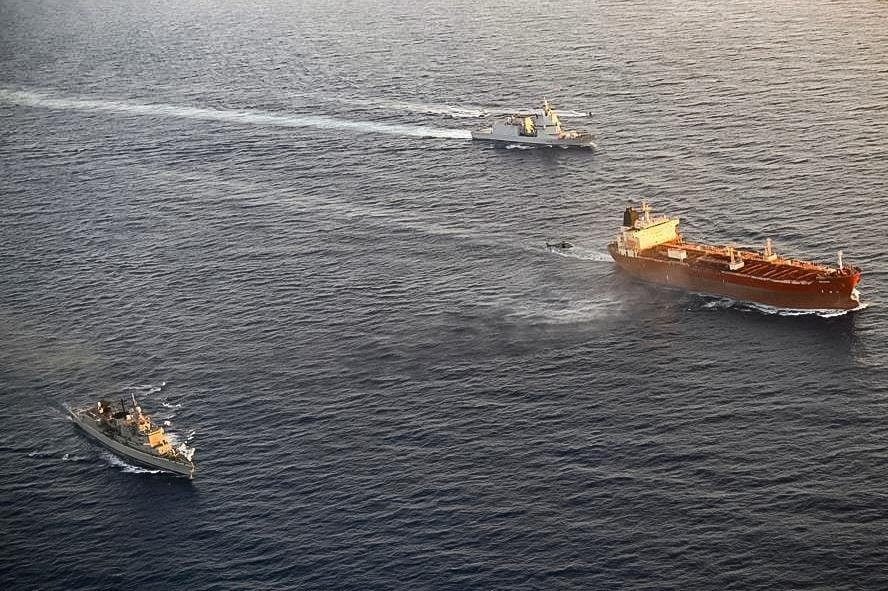
Reports have put fresh attention on a covert system used to handle Iran's oil income under international sanctions, after officials allegedly found that at least $1.6 billion had been misappropriated. The case centers on intermediaries who were used to move money through opaque channels outside normal financial routes.
According to the report, criticism is growing because the secret oil money network was meant to protect revenue flows but instead appears to have created opportunities for corruption. Senior officials are said to have uncovered large missing sums, with some of the people involved reportedly fleeing.
The scandal highlights a broader problem for sanctioned economies: when trade and payments are pushed into hidden or informal structures, oversight can weaken and middlemen can gain outsized control. In Iran's case, that has raised questions about how oil proceeds were tracked, who was responsible for monitoring them, and how such a large amount could disappear.
The alleged losses could intensify pressure inside Iran over accountability and the management of oil revenues. Even with only limited details available, the missing funds case has already become a major controversy around the country's sanctions-era financial networks.