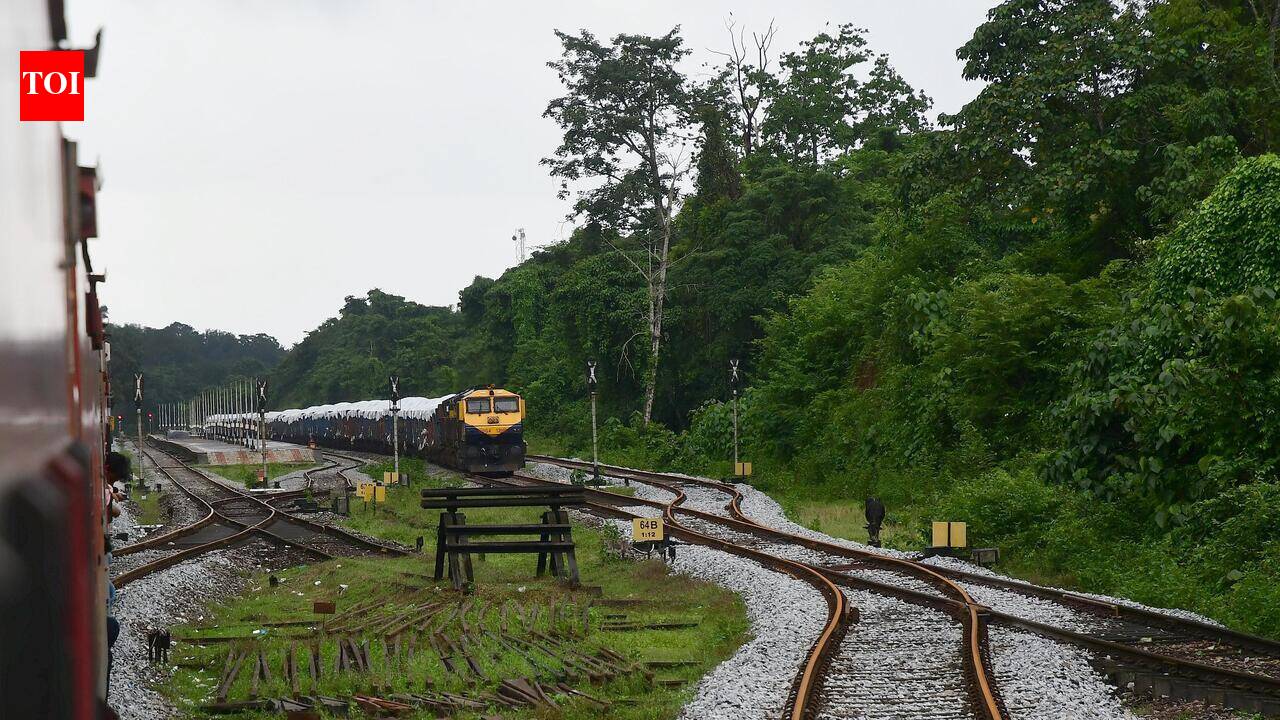
A study has raised concerns about the environmental impact assessment for the Tinaighat–Kulem railway doubling project, saying the review does not fully account for likely damage along the route. The project passes through ecologically sensitive areas in Goa and Karnataka, including Mollem, Bhagwan Mahavir Wildlife Sanctuary and the Kali Tiger Reserve.
According to the findings, the assessment prepared by the Wildlife Institute of India leaves important gaps on biodiversity. The study suggests that wildlife, habitat connectivity and broader ecological risks may not have been examined in enough detail for a railway expansion through protected forest landscapes.
The review also points to missing or weak analysis of social impacts linked to the Tinaighat–Kulem rail doubling plan. That means concerns beyond wildlife, including how nearby communities could be affected, may not have been fully reflected in the current EIA record.
The issue adds to the wider debate over infrastructure development in fragile forest regions of Goa and Karnataka. With the railway project crossing protected areas, scrutiny is likely to remain focused on whether the existing EIA is strong enough to support decision-making on biodiversity and local impact.