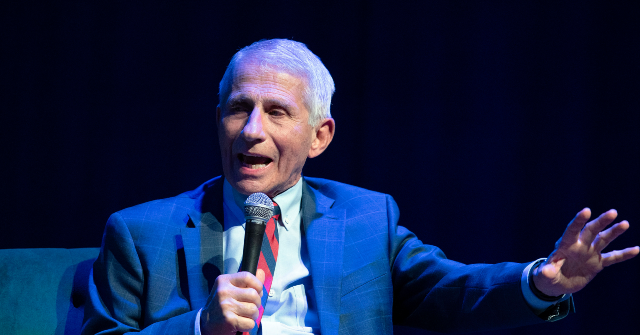
Former NIAID director Anthony Fauci is back in the political spotlight after Sen. Rand Paul released material described as Fauci’s personal diary. According to the excerpts referenced in the report, Fauci believed attacks against him were tied to a right-wing effort to "destroy democracy."
The release adds a new layer to the long-running clash around Fauci, who became one of the most visible public health officials in the United States during the COVID-19 era. The diary account, as described, suggests he saw criticism of him as part of a larger political campaign rather than simply a dispute over policy or leadership.
Paul’s decision to publish the material is likely to intensify debate over Fauci’s role, his public statements, and how he interpreted the backlash he faced. Because only a limited portion of the original report is available, the broader context of the diary entry and any surrounding notes is not fully clear from the excerpt alone.
Even so, the disclosure is drawing attention because it connects personal reflections from a major pandemic figure to the wider partisan battle that surrounded the federal response. The episode underscores how disputes over Fauci continue to sit at the intersection of health policy, public trust, and national politics.