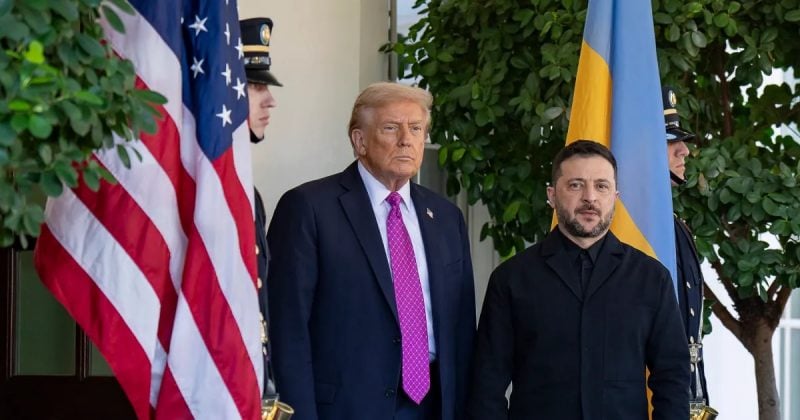
Ukrainian President Volodymyr Zelenskyy met Donald Trump at the White House in a meeting that could carry consequences beyond diplomacy. While Zelenskyy described it as a good meeting, attention quickly turned to the harder questions surrounding Ukraine peace talks, especially the future of frozen Russian assets and stricter oversight of digital finance.
The discussion matters because billions in Russian-linked assets remain tied up under international restrictions. Any shift in how those funds are handled could influence negotiations, sanctions policy, and the broader debate over whether immobilized assets should remain frozen, be redirected, or become part of a future settlement framework.
Crypto markets are also watching closely. The meeting highlighted how crypto compliance may become more important as governments try to prevent sanctions evasion and tighten enforcement across cross-border transactions. That makes digital asset regulation part of the wider geopolitical picture, not just a separate financial issue.
Taken together, the White House talks suggest that any next phase of Ukraine diplomacy may also reshape global asset regulation. For policymakers, investors, and the crypto industry, the key question is what concrete decisions follow this meeting on frozen Russian assets, sanctions enforcement, and the role of digital currencies in an evolving international system.