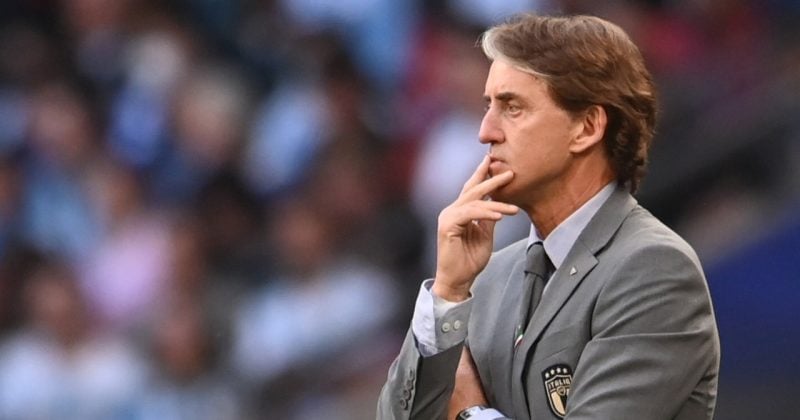
Roberto Mancini has been reappointed as Italy coach after the federation's apparent move toward Andrea Pirlo collapsed amid controversy over Pirlo's reported links to Russian betting interests. The decision brings back the manager who led Italy to the Euro 2020 title and gives the national team a familiar figure at a sensitive moment.
The episode has drawn attention because it goes beyond football. As described in reports, the failed Pirlo plan became entangled in wider geopolitical concerns, showing how sanctions-era politics and ethical scrutiny can affect even high-profile sporting appointments. What may have started as a coaching search quickly turned into a broader reputational issue.
Mancini's return therefore looks like both a sporting and institutional reset. Italy's football federation appears to have chosen stability and a proven track record after a hiring process that became politically complicated. Bringing back a coach with recent success also helps reduce uncertainty around the national team.
The story underlines how modern football decisions are rarely judged on results alone. Leadership choices now sit at the intersection of performance, public perception and international politics, and Italy's switch back to Mancini is a clear example of that pressure in action.