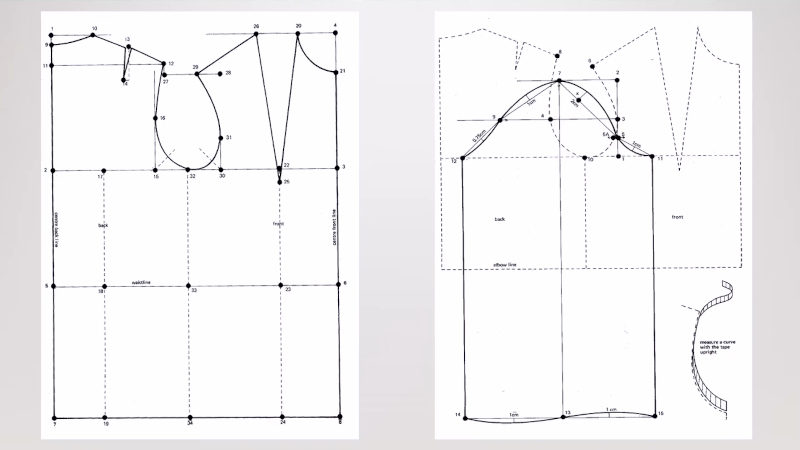
A recent talk at the Electromagnetic Field event in the UK put attention on a question that rarely comes up in mainstream engineering discussions: why textile work is not taught more widely to engineers. In the presentation, Amy Jeskins highlighted pattern cutting as a practical skill that sits much closer to engineering than many people assume.
The talk examines the mechanics behind pattern cutting, framing it as a discipline that involves structure, geometry, material behavior, and problem-solving. Seen that way, textile work is not just a craft activity but a technical process with clear links to design and engineering thinking.
That perspective challenges the usual boundaries between soft goods, clothing, and traditional engineering education. If engineers are trained to understand how materials move, fit together, and perform under constraints, then pattern cutting can be viewed as another valuable way to develop those same instincts.
By focusing on an often-overlooked skill, the presentation suggests that engineering can benefit from broader teaching methods and more varied material disciplines. The result is a reminder that useful engineering knowledge does not only come from circuits, machines, or code, but can also emerge from textiles and the methods used to shape them.