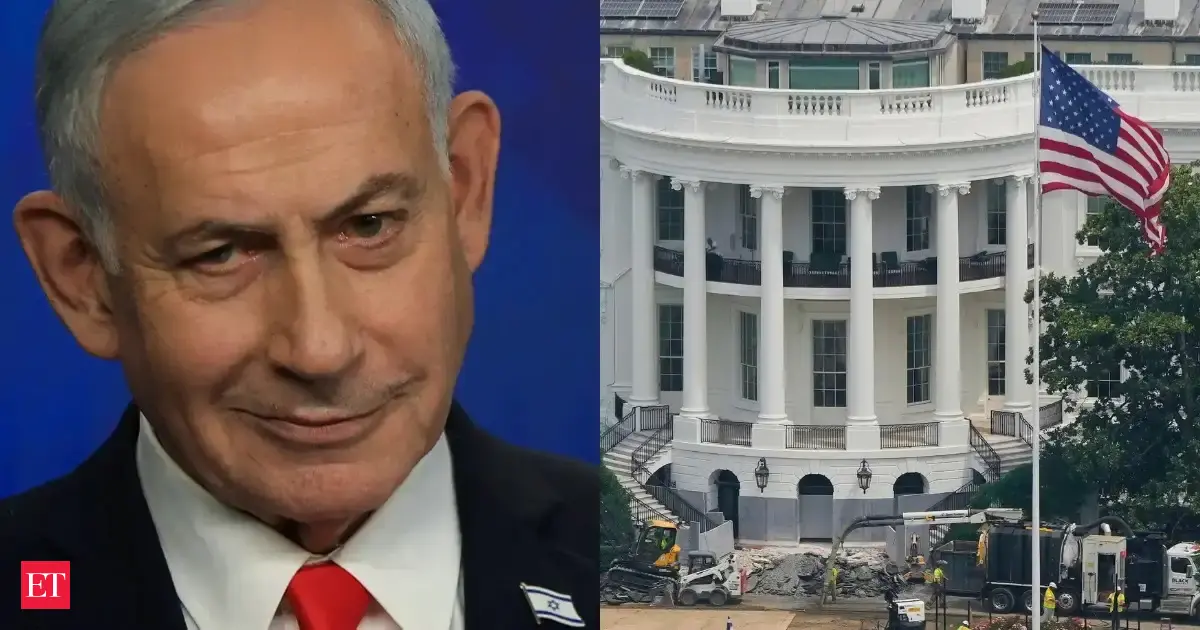
Israel is due to hold an election on 27 October 2026, with Benjamin Netanyahu trailing in opinion polls and his path back to government looking increasingly uncertain. On the surface, that could suggest a major political shift after years in which Netanyahu has dominated Israeli politics.
But the broader picture appears far less hopeful for Palestinians. The central argument around the coming vote is that even if Netanyahu loses ground, the politicians trying to replace him may not offer a meaningfully different approach. Instead, they could compete by adopting similarly hardline positions on Palestine, or by pushing even tougher policies.
That makes the election important for Israel’s leadership while limiting expectations of change in the wider conflict. A change at the top would not automatically translate into a new direction on Palestinian issues if the campaign rewards candidates who sound more uncompromising rather than more conciliatory.
As a result, the 2026 Israeli election is shaping up as a contest that may decide Netanyahu’s political future without delivering much optimism for Palestine. The vote could mark the end of one era in Israeli politics, yet still leave the underlying policy debate largely unchanged.