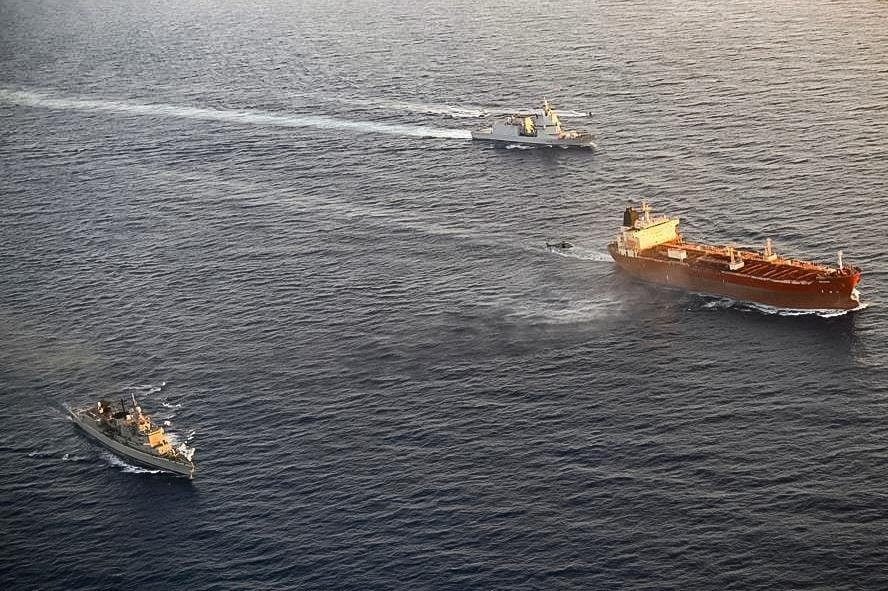
Iran has said it will not recognize the southern Hormuz route if Oman refuses its terms, escalating a sensitive dispute around one of the world’s most closely watched maritime corridors. The warning adds fresh uncertainty to a region already under pressure from political and security tensions.
The Strait of Hormuz is a critical passage for global energy flows, so any threat to access or recognition of shipping routes can quickly ripple into oil markets. Analysts and policymakers are likely to view Iran’s position as a sign of rising risk for commercial navigation and broader regional stability.
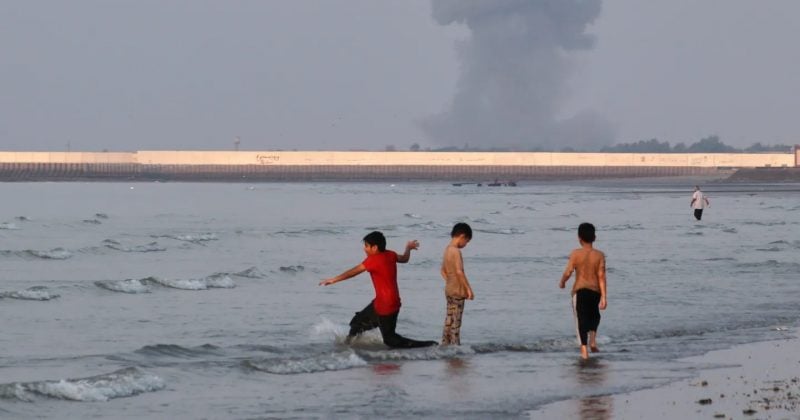
The announcement also came as the Houthis claimed they had carried out a new attack, according to the report snippet, further darkening the security outlook. Even without full details, the overlap between Iranian pressure and militant claims is likely to sharpen concerns about maritime safety and the potential for wider confrontation.
Beyond the immediate political message, the dispute raises questions about international maritime norms in the Strait of Hormuz. If the standoff deepens, it could test diplomatic ties in the Gulf, increase pressure on shipping routes, and keep energy traders focused on the risk of disruption.