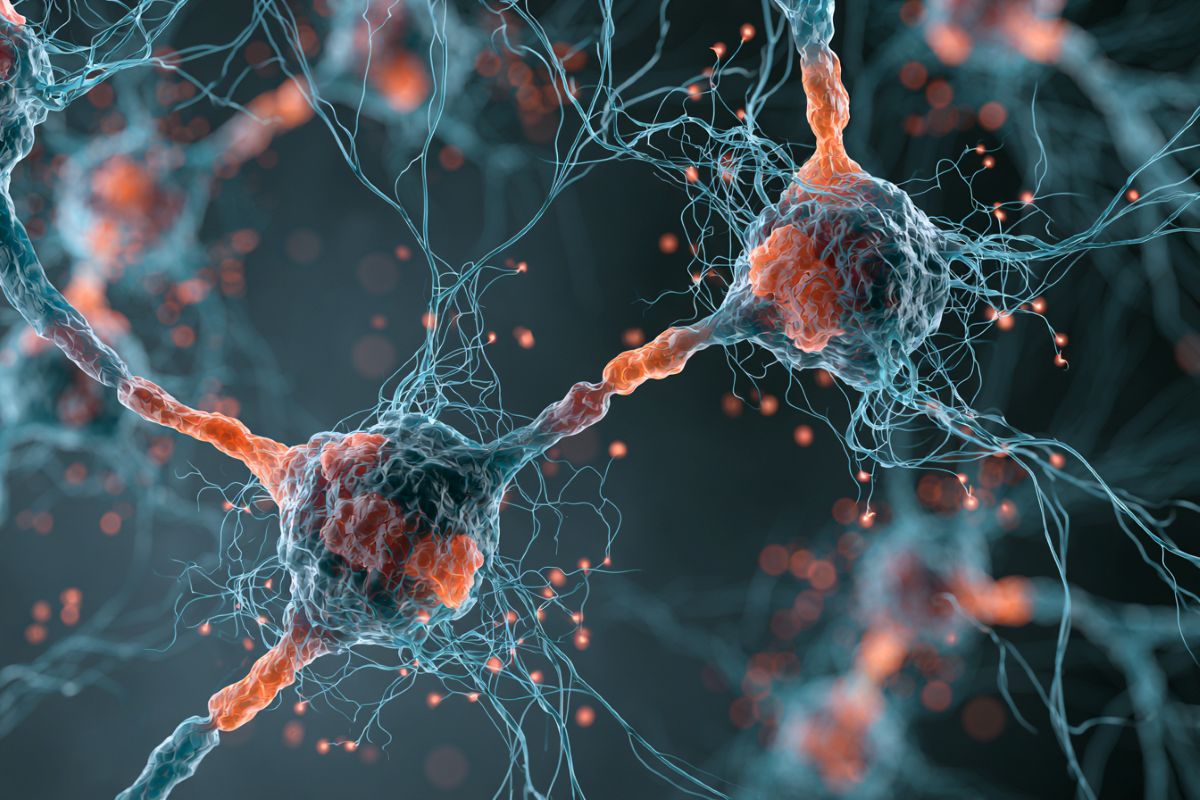
A new neuroscience study suggests that ECT may shift adult neurons into a more youthful biological state. According to the research summary, the effect appears to be linked to Cyclin B-driven nuclear reprogramming and a process described as cellular dematuration.
To investigate the mechanism, researchers developed a highly specialized stimulation method called REPOPS, short for Repeated Electroconvulsive-like Patterned Optical/Electrical Stimulation. The approach was tested in mouse models, allowing the team to closely examine how electroconvulsive-like stimulation changes mature brain cells.
The findings point to a form of reprogramming inside the neuron nucleus, where the cells seem to partially lose some markers of full maturity and take on more youthful characteristics. In the study description, this “dematuration” is presented as a central biological pathway behind the effects of ECT rather than a secondary change.
The work adds a mechanistic explanation to a treatment that has long been studied for its powerful effects on the brain. By identifying Cyclin B and nuclear reprogramming as key factors, the research offers a clearer picture of how patterned stimulation may reshape adult neurons at the cellular level.





