From listening to the radio while driving to making breakfast during a family conversation, modern life often feels built around doing more than one thing at once. A report highlighted by ScienceAlert looks at whether that experience reflects real multitasking or simply very fast shifts in attention.
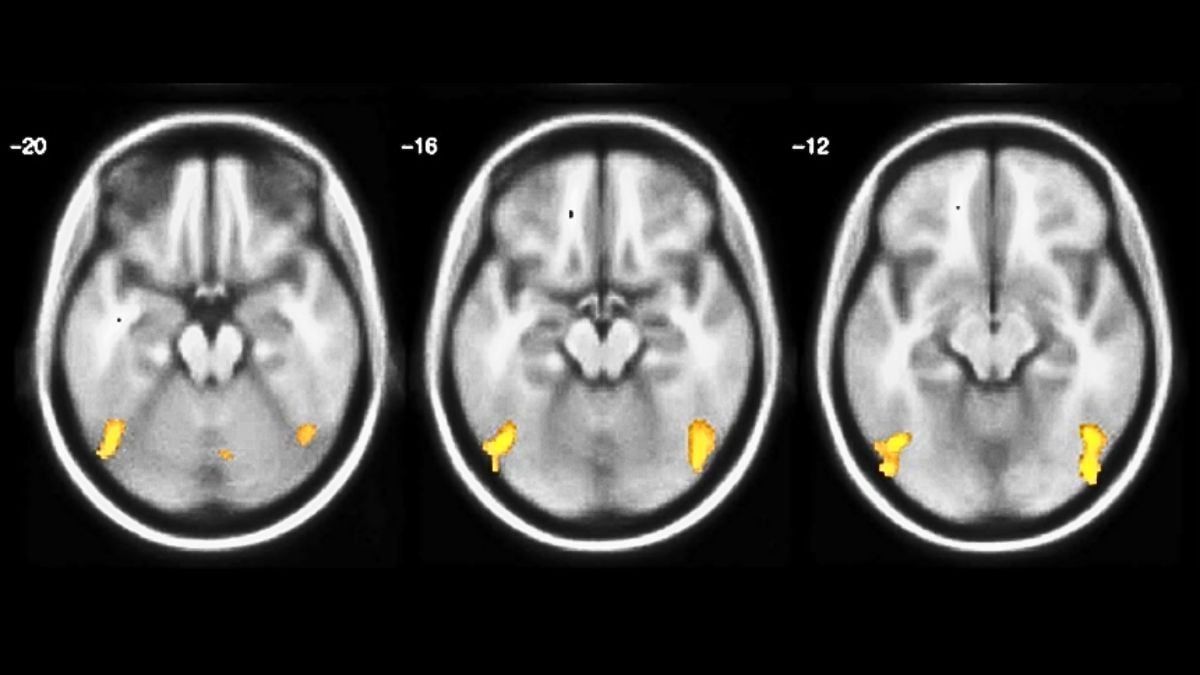
The central idea is that the brain may be more adaptable than once thought. Rather than treating multitasking as a fixed limit, the coverage suggests the brain can rewire itself in ways that improve how it handles overlapping demands, pointing to the role of brain plasticity in everyday behavior.
That matters because many people assume they are multitasking when they may actually be alternating focus between separate jobs. The article frames the key question as whether training or repeated experience can move the brain closer to “true” multitasking, instead of constant task-switching that can slow performance or reduce accuracy.
While the trimmed report does not provide the full research details, its takeaway is that the brain’s wiring is not static. The broader implication is that how people manage concurrent tasks may depend not only on attention limits, but also on the brain’s ability to adapt over time.