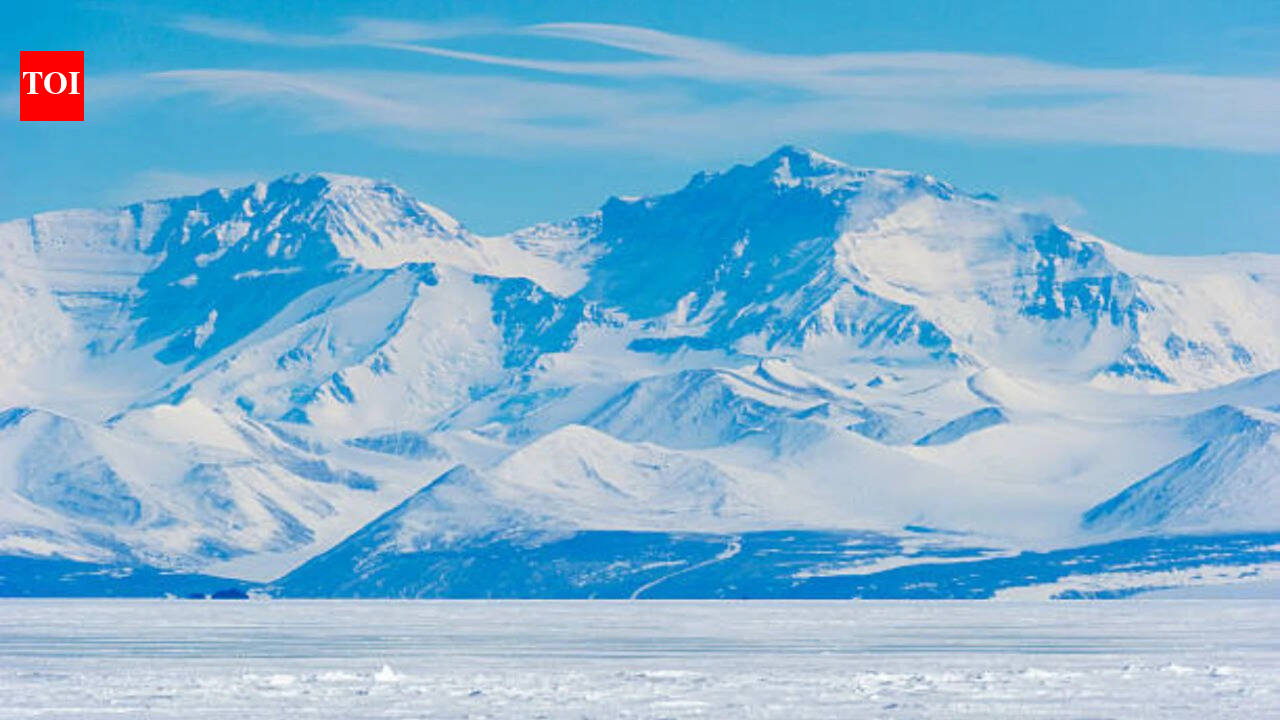
Antarctica is known as the coldest continent on Earth, and conditions at Vostok Station are especially severe, with average temperatures around minus 55 degrees Celsius. Yet beneath that frozen landscape lies a huge body of water, often described as being about the size of Lake Ontario, that has remained in liquid form.
The contrast is striking because the surface environment appears completely hostile to open water. Vostok Station sits in one of the harshest parts of Antarctica, where extreme cold, high elevation and a vast ice-covered terrain combine to create some of the planet’s most punishing weather.
The lake’s ability to stay unfrozen points to what happens far below the surface rather than at the top of the ice sheet. Thick ice overhead and conditions deep underground can allow water to remain liquid even when the air above is unimaginably cold, making the hidden lake one of Antarctica’s most fascinating scientific features.
Scientists have long been interested in subglacial lakes like this because they reveal how complex the Antarctic environment really is. Even in a place defined by ice and deadly cold, the continent can still hold massive reservoirs of liquid water out of sight beneath the surface.





