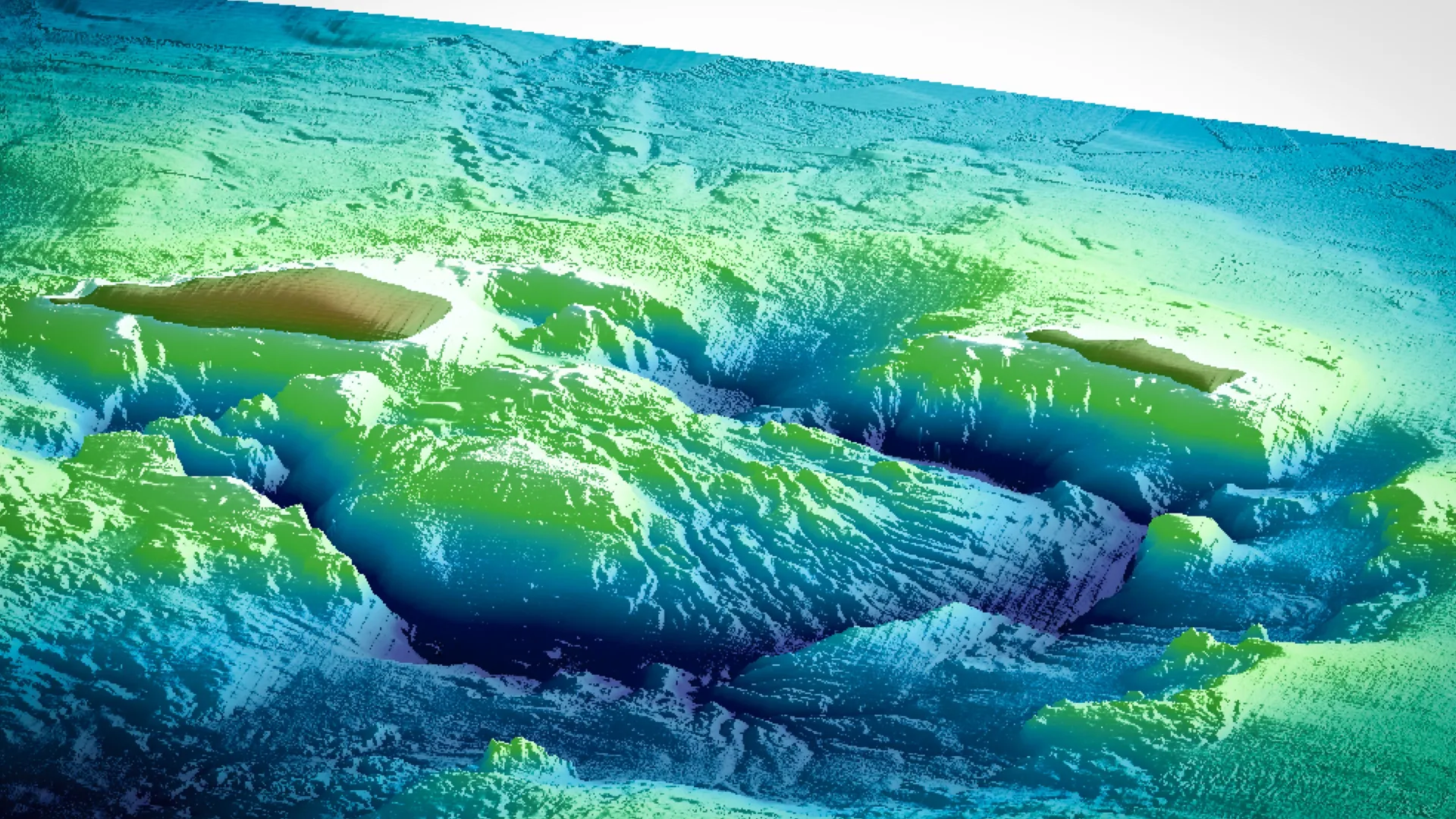
Scientists studying Japan's Kikai caldera say a large magma reservoir deep below the mostly submerged volcanic system appears to be filling again. The finding points to fresh magma moving into the area and gives researchers a closer look at how a supervolcano rebuilds after a catastrophic eruption.
Kikai is especially important to volcanologists because it produced an enormous eruption about 7,300 years ago. That ancient event makes the caldera a key site for understanding what happens inside Earth's most explosive volcanoes long after their biggest blasts have ended.
According to the report, seismic surveys revealed the structure of the magma system beneath the caldera and suggested that new molten rock has been accumulating there. Researchers describe this as a rare view into the recovery process of a giant volcanic system, something that is difficult to observe directly.
The work does not mean an eruption is imminent, but it does highlight that Kikai remains an active geological system. For scientists, the renewed magma supply beneath Japan's Kikai caldera offers important evidence about how large magma reservoirs reform and evolve over time.