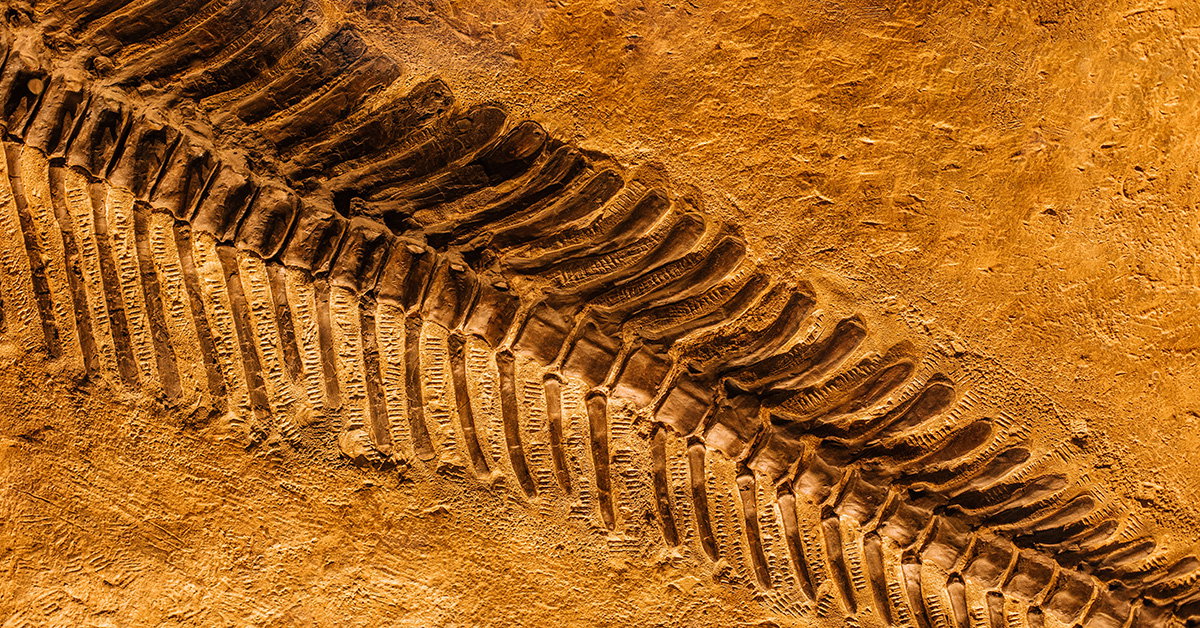
A new study suggests saber-toothed cats may have developed serious spinal deformities before the species disappeared. Researchers say the abnormalities could point to inbreeding in shrinking populations, adding another clue to what was happening as the famous predators neared extinction.
The report focuses on deformities affecting the spine, including tumors on spinal nerves. Such tumors are described as extremely rare in modern humans, but the study found a dramatically higher rate in the saber-toothed cat sample. That contrast is helping scientists examine whether these animals were facing long-term genetic problems.
According to the study summary, the unusually high number of spinal issues may be consistent with inbreeding. If saber-toothed cat populations had become isolated or reduced in size, harmful traits could have appeared more often, leaving the animals more vulnerable even before they finally died out.
While the findings do not settle every question about why saber-toothed cats vanished, they add to the broader picture of decline. The research points to physical degeneration as a possible sign that the species was under pressure in its final period, rather than disappearing suddenly without warning signs.