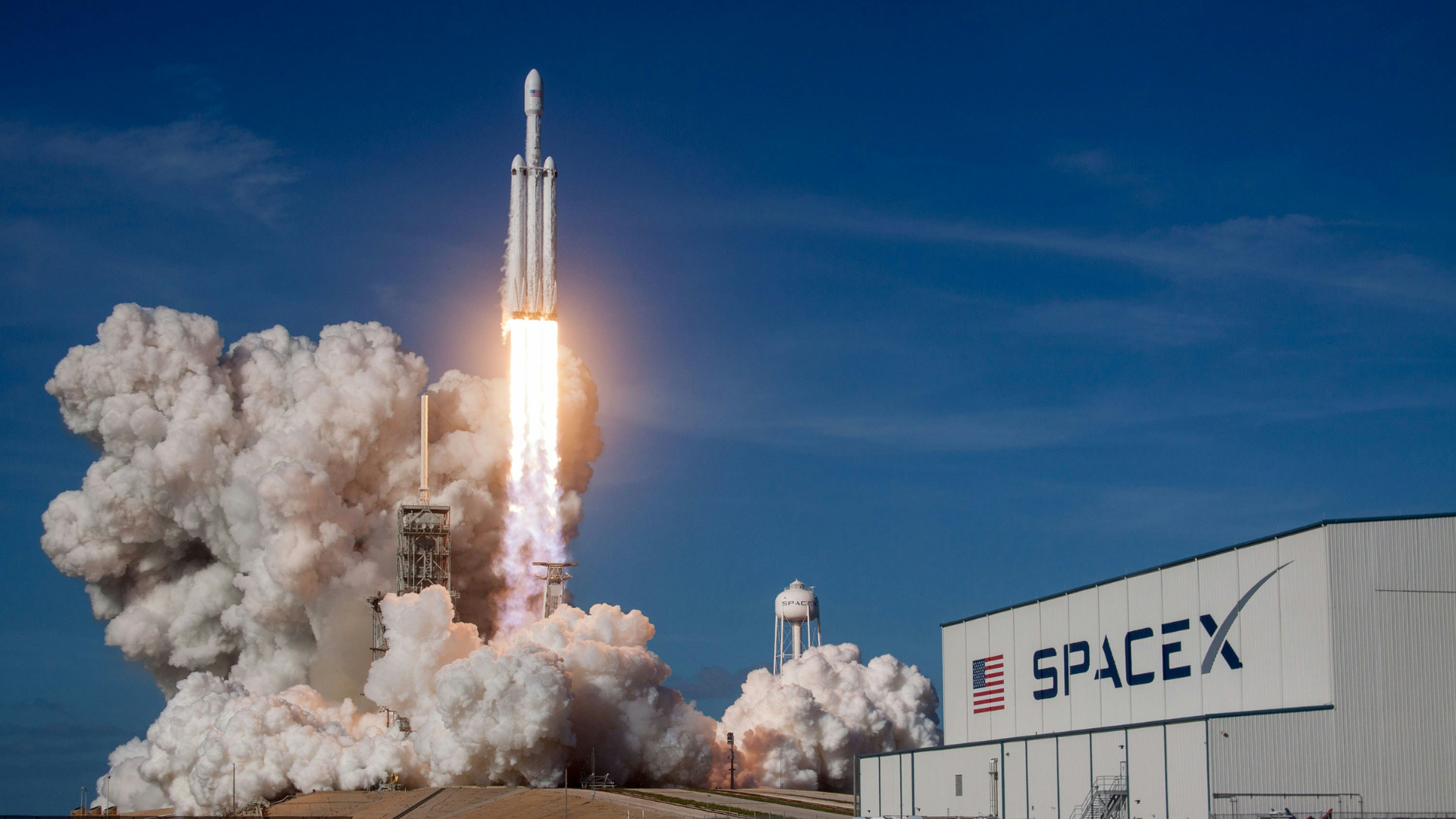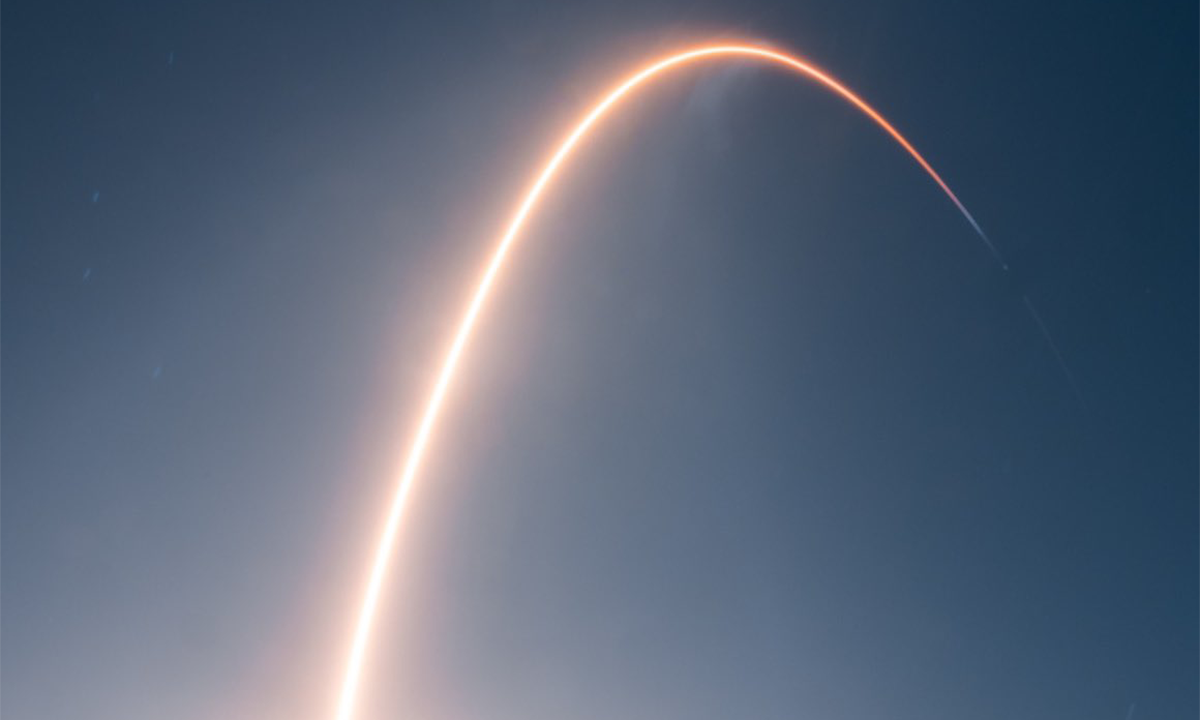
An abandoned SpaceX rocket stage is expected to hit the moon in the early hours of August 5 UTC, striking at roughly 8,700 kilometers per hour. The hardware was launched in January 2025, and its planned impact has drawn attention far beyond a single piece of discarded space equipment.
The immediate event is dramatic, but the bigger issue is what it says about the future of lunar activity. As more missions head toward the moon, experts and observers are increasingly focused on how crowded the area around Earth’s nearest neighbor could become and what happens when old rocket stages and other unused hardware are left on uncontrolled paths.
That raises broader questions about lunar safety, debris management, and responsibility. Even if a moon impact does not create the same kind of hazard as junk in Earth orbit, the incident highlights the lack of clear rules and accountability for abandoned spacecraft parts once their primary job is done.
With commercial and scientific interest in the moon continuing to grow, this SpaceX rocket moon crash is likely to be remembered less for the impact itself and more for the debate it intensifies over how lunar space should be managed in the years ahead.