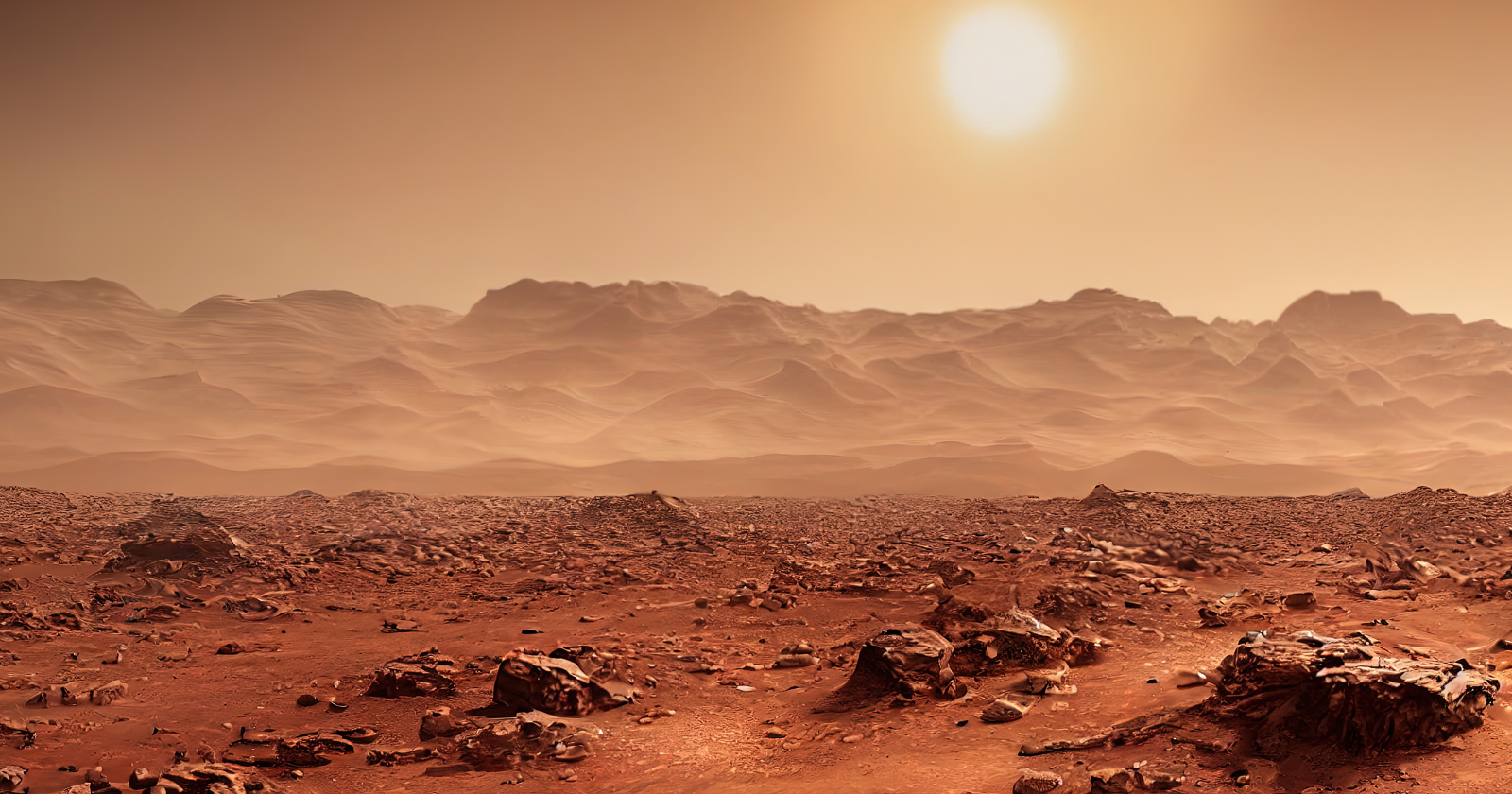
NASA used Chile’s Atacama Desert as a proving ground before sending life-detection tools to Mars. The reason was simple: parts of the Atacama are so dry and barren that they offer one of the closest Earth-based tests for rover hardware meant to search for signs of life on the Red Planet.
According to the report, an instrument station in the hyperarid core of the desert recorded just one rain event over four years. That event measured 2.3 millimetres, and researchers even considered whether heavy fog may have affected the reading. The result underscores how unusually hostile this landscape is, even by desert standards.
That extreme dryness matters for planetary science because the Atacama’s soil can mislead life-detection equipment in ways similar to Martian terrain. In other words, it is not only harsh but also scientifically useful, giving NASA a place to practice how a rover mission might perform when samples offer little biological signal or produce confusing results.
The report says NASA spent four field seasons rehearsing rover operations there. By testing in one of Earth’s toughest environments—where microbial life is minimal or absent in some areas—researchers could refine tools and methods before attempting the far more difficult search for life on Mars.





