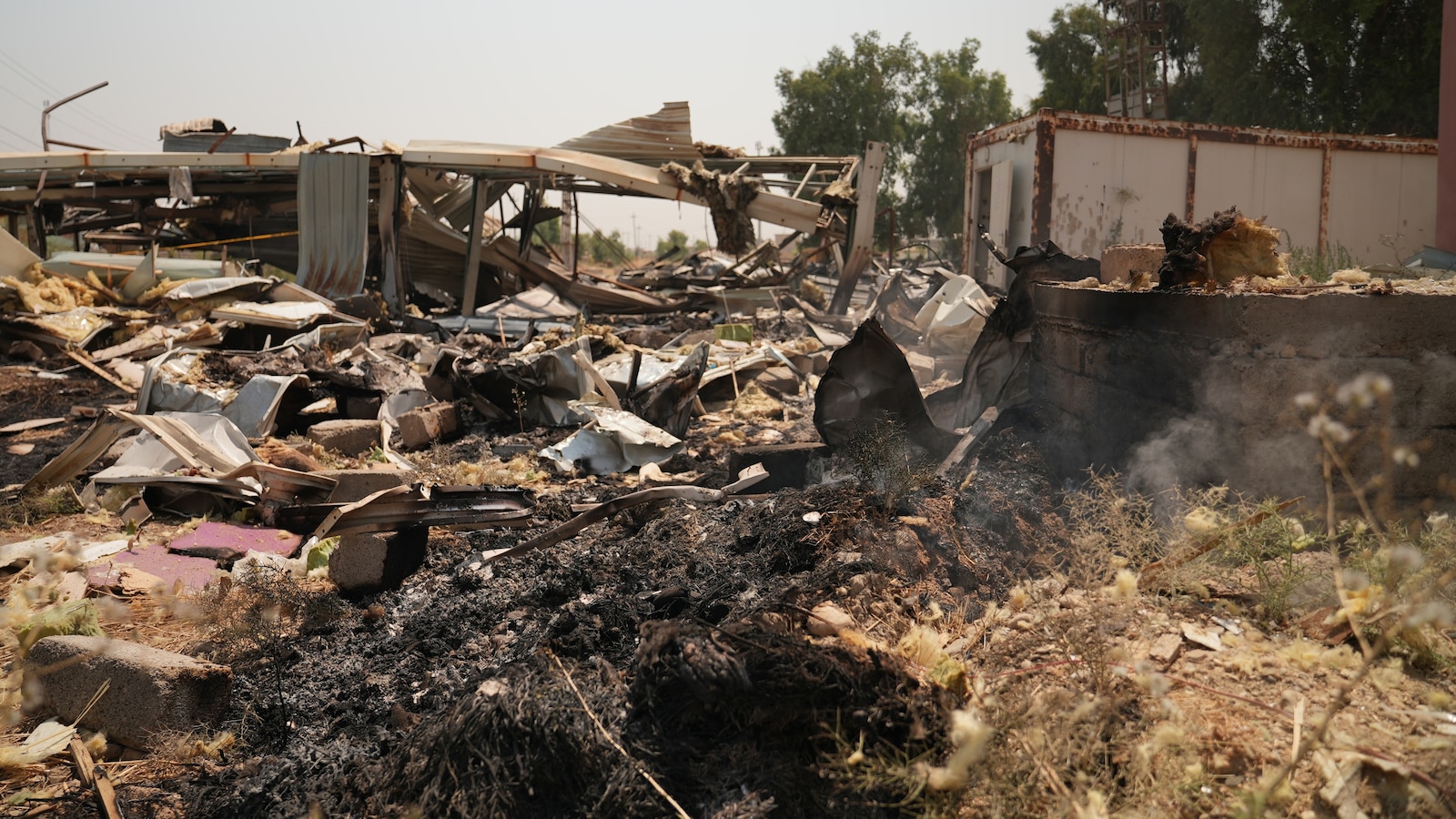
Iraq is once again being forced to navigate a dangerous middle ground as tensions between the United States and Iran spread across the region. New U.S. and Saudi strikes targeting Iran-allied factions in Iraq have added to the pressure on Baghdad, which has long tried to avoid being pulled fully into either side's camp.
The situation is especially difficult for the Iraqi government because the country has deep political, security and economic ties that touch both Washington and Tehran. Any escalation on Iraqi soil risks weakening that balance, while also raising questions about sovereignty, internal stability and the government's ability to control competing armed actors.
This is not a new challenge for Iraq. Since the 2003 U.S.-led invasion, the country has repeatedly found itself at the center of broader regional rivalries. The latest strikes show how quickly Iraq can become a frontline in conflicts driven by outside powers and their local allies.
As the war between the US and Iran widens, Iraq's room to maneuver appears to be shrinking. Leaders in Baghdad now face the difficult task of containing fallout at home while trying to avoid deeper entanglement in a confrontation that is growing more volatile.