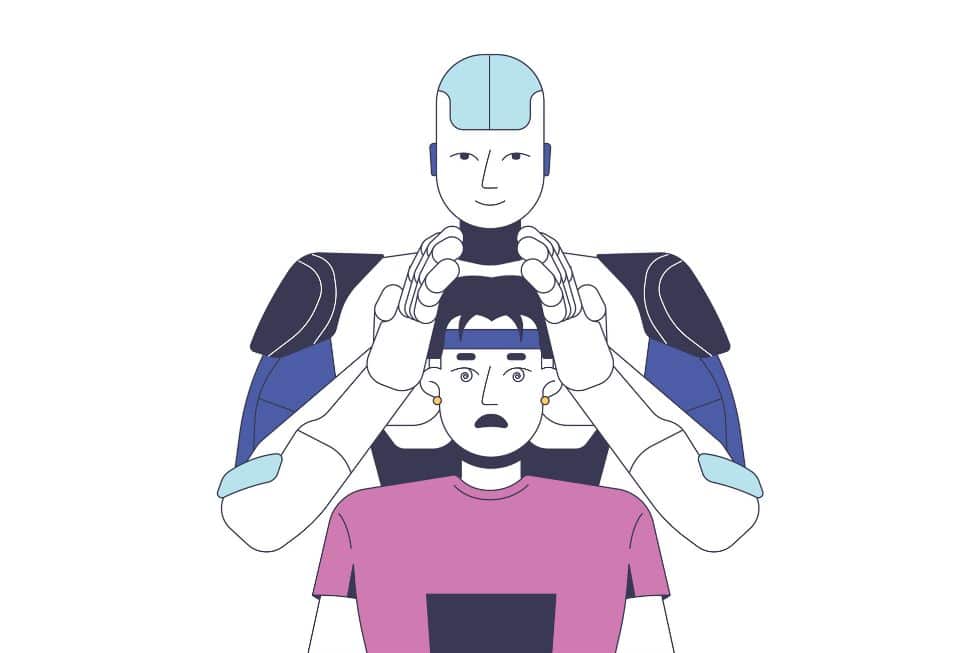
The question of consciousness is taking on renewed importance as artificial intelligence advances. As machines grow more capable, the long-running mystery of what makes human experience feel aware, subjective, and alive is moving closer to the center of public and scientific debate.
At the heart of the issue is a basic but difficult problem: what, exactly, makes humans conscious? The discussion goes beyond brain function alone and reaches into philosophy, psychology, and neuroscience. It also raises an even more unsettling possibility suggested by the debate itself: whether consciousness is something that can be clearly defined at all.
In the AI age, that uncertainty feels more urgent. Comparing human thought with artificial systems is forcing a fresh look at what separates computation from awareness, and whether that line is as clear as many assume. The more advanced AI becomes, the more pressure there is to explain what is uniquely human.
That is why consciousness remains one of the hardest questions in modern thought. It sits at the intersection of science and philosophy, with no simple answer in sight, even as technology makes the need for one feel more immediate.