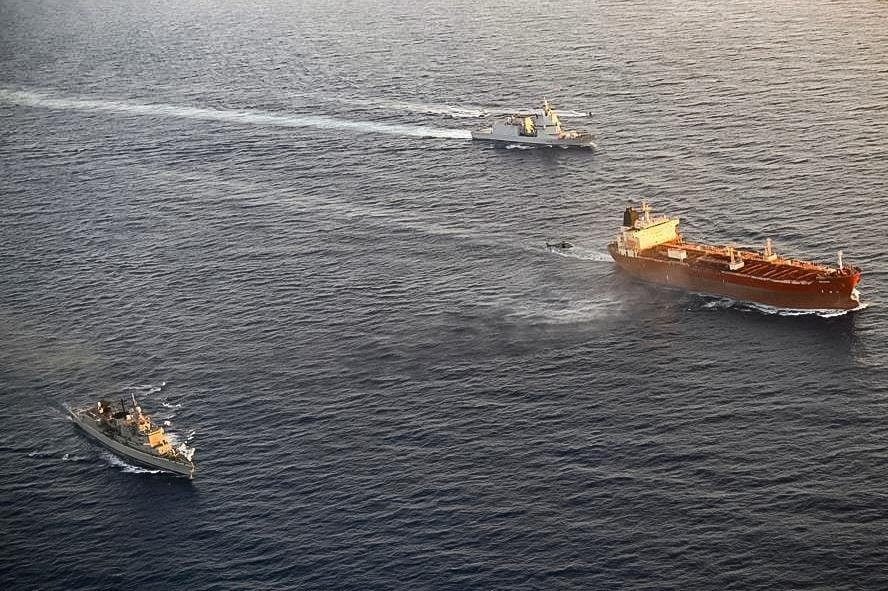
The long-running conflict between the United States and Iran is altering the security outlook across the Middle East, especially in the Persian Gulf. As tensions persist, governments around the Gulf are being pushed to review their military preparedness, strategic partnerships, and broader defense priorities.
A key effect of the war has been a renewed focus on regional security planning. Countries in the Gulf appear to be rethinking how they protect trade routes, energy infrastructure, and national borders in a more unstable environment. The conflict is not only a military issue but also a political and economic one for states that depend on predictability in the region.
Pakistan has emerged as an important part of this picture because of its role in efforts to mediate between Tehran and Washington. Its involvement suggests that Islamabad is trying to balance diplomacy with regional stability at a moment when wider escalation could affect neighboring economies and security arrangements.
For Pakistan, the crisis may also present an opening to support its own fragile economy by raising its regional profile and helping reduce tensions. While the broader war continues to unsettle the Middle East, it is also reshaping alliances, defense thinking, and diplomatic calculations far beyond Iran and the United States.