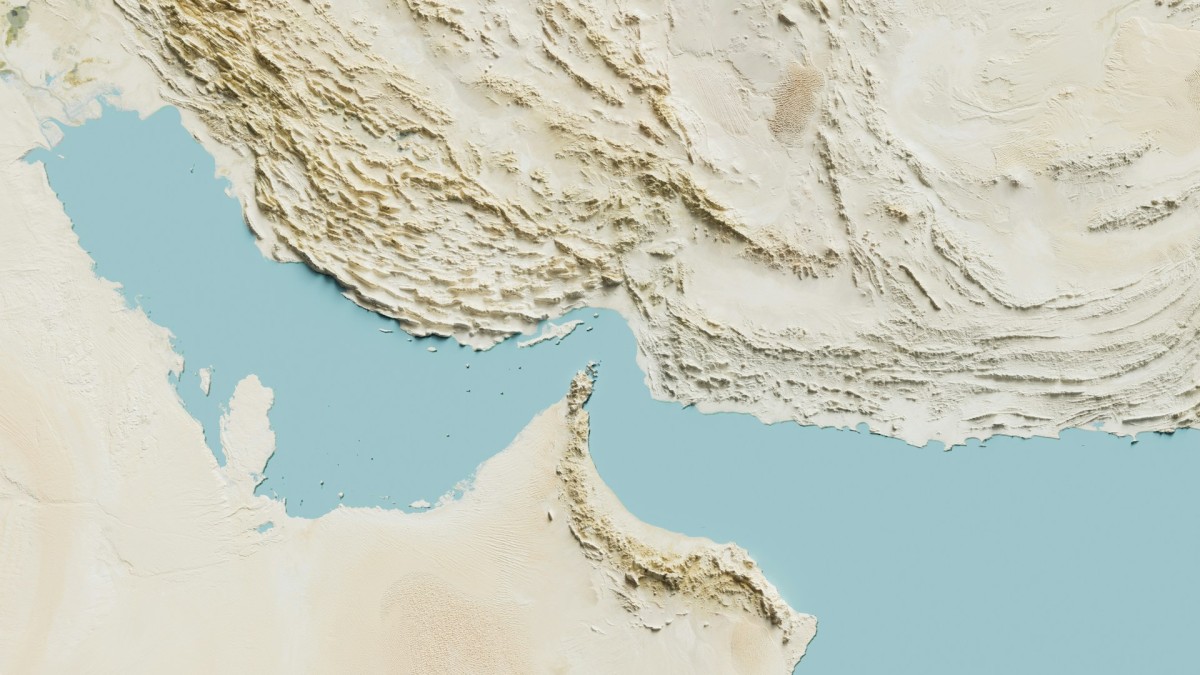
Iran has rejected a proposal from Oman to split control of the shipping lanes in the Strait of Hormuz evenly, according to the report. Tehran is instead seeking control over most of the vital waterway, a move that raises the stakes around one of the world’s most important energy transit routes.
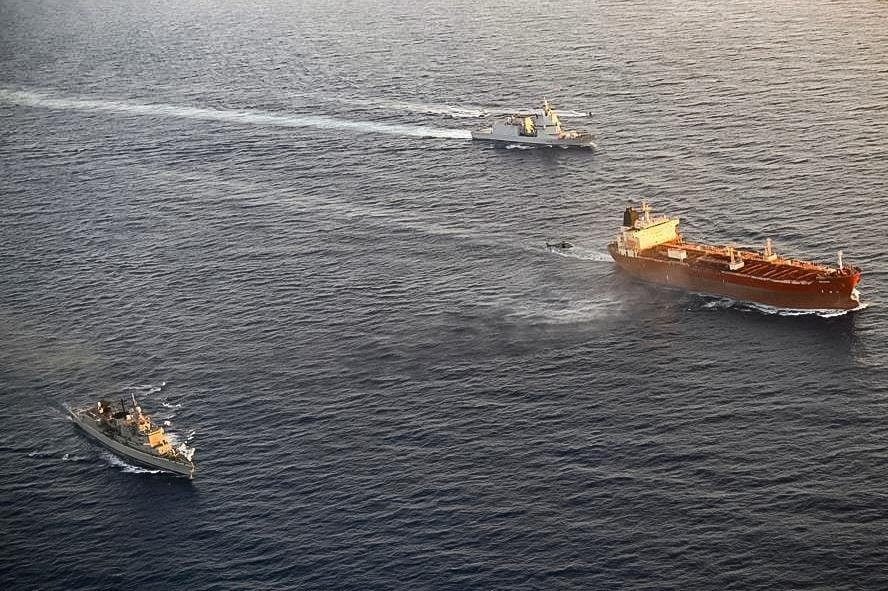
The Strait of Hormuz is a critical chokepoint for global oil and LNG shipments, so any dispute over authority there can quickly draw international attention. An argument over who controls access and navigation in the passage is likely to deepen concerns about supply risks and shipping security.
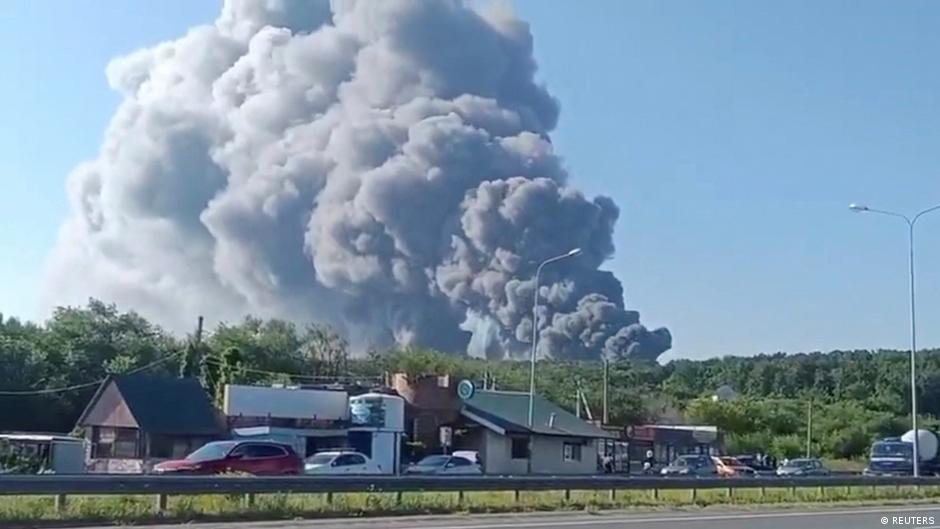
The report says the disagreement comes as strikes in the region have renewed fears of disruption. That broader instability has added to market anxiety, with Hormuz once again seen as a flashpoint for both energy flows and regional security.
While the full implications of the proposal remain unclear, Iran’s refusal to accept an equal arrangement with Oman signals a harder position from Tehran. With the Strait of Hormuz central to global trade in crude oil and LNG, the dispute is likely to be watched closely by governments, shippers and energy markets.