A deadly fungal disease known as the chytrid fungus has devastated amphibian populations around the world, contributing to more extinctions than any other infectious disease. Frogs and toads have been especially hard hit, with entire species pushed to the brink or lost as the infection spread across habitats.
The fungus, commonly referred to as chytrid, attacks amphibians in ways that many species cannot withstand. For years, it has been one of the clearest examples of how an infectious disease can reshape ecosystems, wiping out vulnerable animals on a global scale.
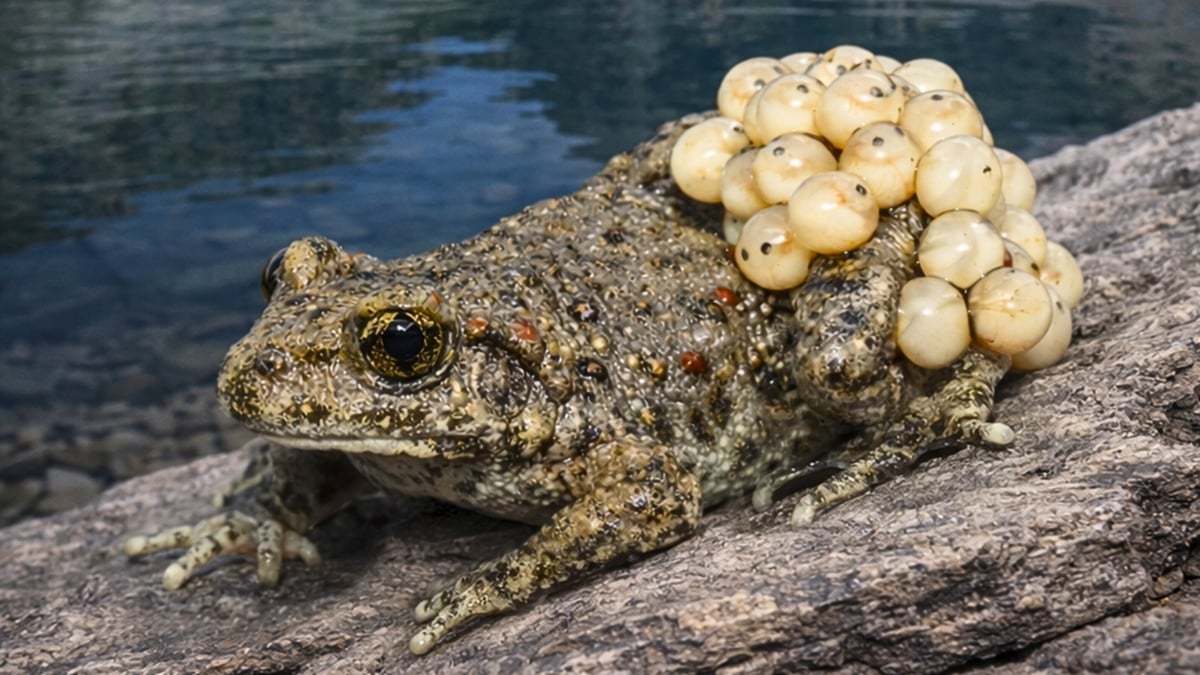
But the latest report also points to a more hopeful development: some toads appear to have found ways to persist despite the threat. While the disease remains a major danger, these surviving populations could help scientists better understand how certain amphibians endure infection when so many others do not.
That makes the discovery important not only for wildlife biology, but also for conservation. If researchers can learn what allows some toads to survive chytrid fungus, those insights may help protect other amphibian species still facing one of the most destructive disease outbreaks ever recorded.