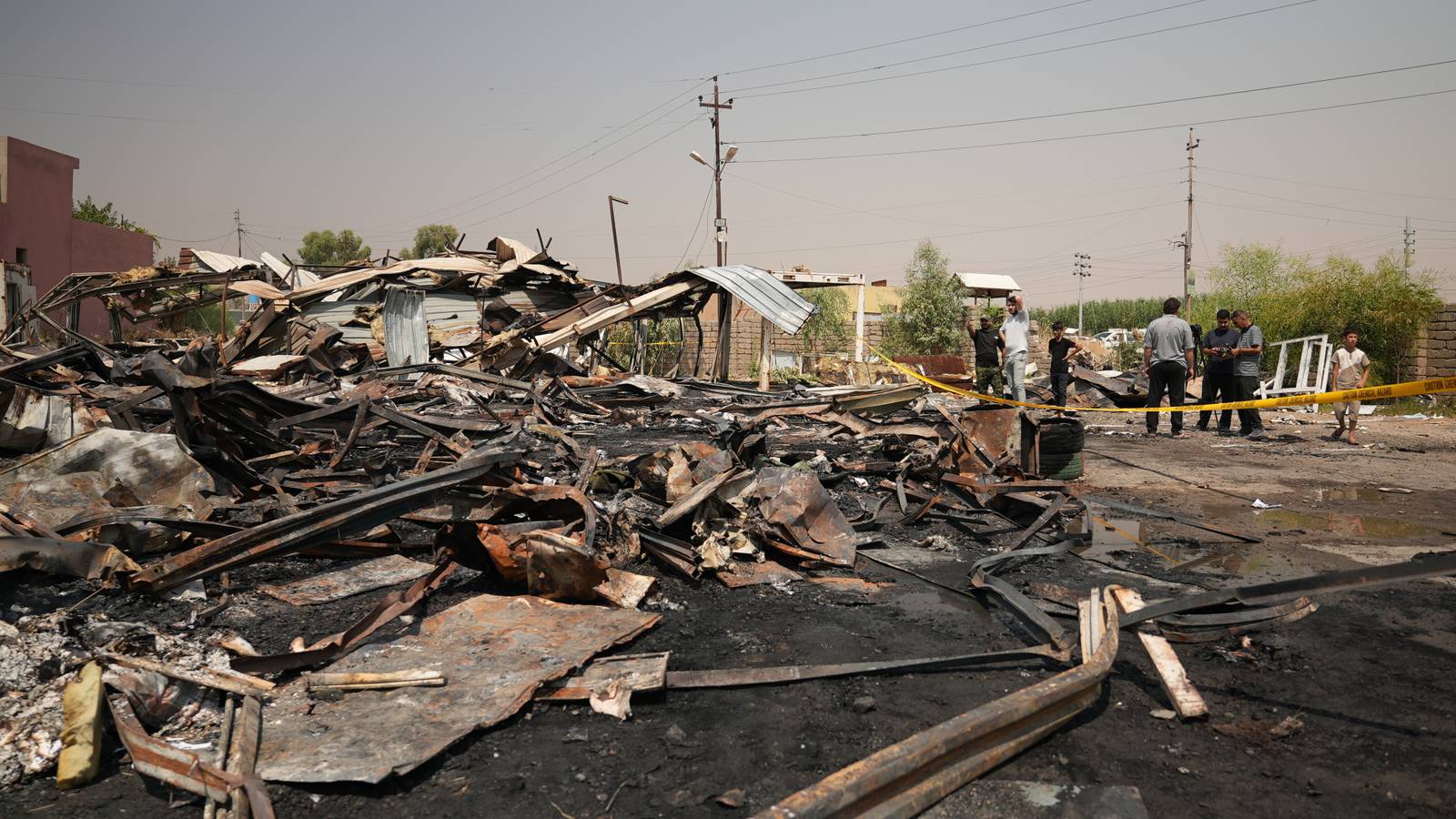
Iraq is facing renewed pressure as the confrontation between the United States and Iran spreads further across the region. Reported strikes by the U.S. and Saudi Arabia against Iran-aligned fighters in Iraq have again exposed how vulnerable Baghdad is to outside conflict playing out on its territory.
This is a familiar problem for Iraq. Since the 2003 U.S.-led invasion, successive Iraqi governments have tried to maintain working ties with both Washington and Tehran. That balancing strategy has been central to Iraq's effort to protect its own stability while avoiding a direct role in the rivalry between the two powers.
The latest escalation makes that position harder to sustain. Iraq depends on relationships with the U.S. for security and broader international support, while Iran remains deeply influential through political, military and geographic ties. When violence involving Iran-linked groups takes place inside Iraq, the government is pushed to respond without fully alienating either side.
As the wider US-Iran conflict intensifies, the risk for Iraq is that it could once again become a front line instead of a buffer. The current moment underscores how limited Baghdad's room for maneuver can be when regional powers escalate and Iraq is caught in the middle.