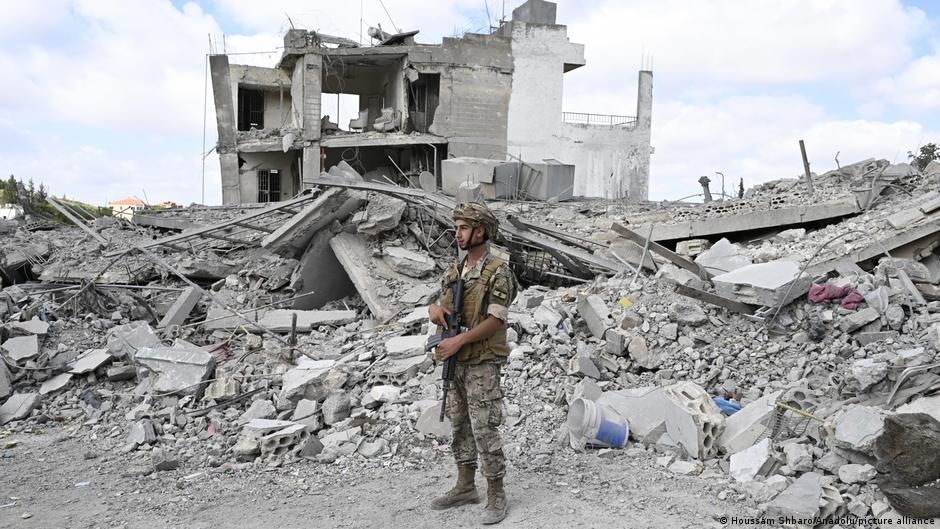
Lebanon's new "pilot zone" plan is being presented as a possible step toward calming the conflict between Hezbollah and Israel. The Israeli army has handed these areas back to Lebanese control, with the stated goal of creating conditions that could reduce fighting and eventually help end Israel's presence in those zones.
But just over a week after the plan began, the difference between its promise and the situation on the ground appears significant. The initiative is supposed to show that a new arrangement can work in practice, yet early signs suggest implementation is proving far more difficult than the idea itself.
Local residents and analysts have reacted with caution rather than optimism. Their skepticism reflects wider doubts about whether limited handovers can produce real security or political change while tensions remain high and the broader conflict is unresolved.
That leaves the pilot zones as a test case with uncertain prospects. Supporters may view them as a practical opening for de-escalation, but critics see a plan that has not yet matched reality and may struggle to deliver the larger breakthrough it is meant to encourage.